
1 hr
Uji Tea Museum & Matcha Grinding Workshop
Explore interactive tea exhibits and craft your own matcha in the historic birthplace of Japanese green tea.
Reserve
Hand-picked by our editors — only the best 5 experiences from 12 reviewed.
Verified partners for every tour, free cancellation where available, and instant confirmation on every booking.
1 hr
Explore interactive tea exhibits and craft your own matcha in the historic birthplace of Japanese green tea.
Reserve
2 hr
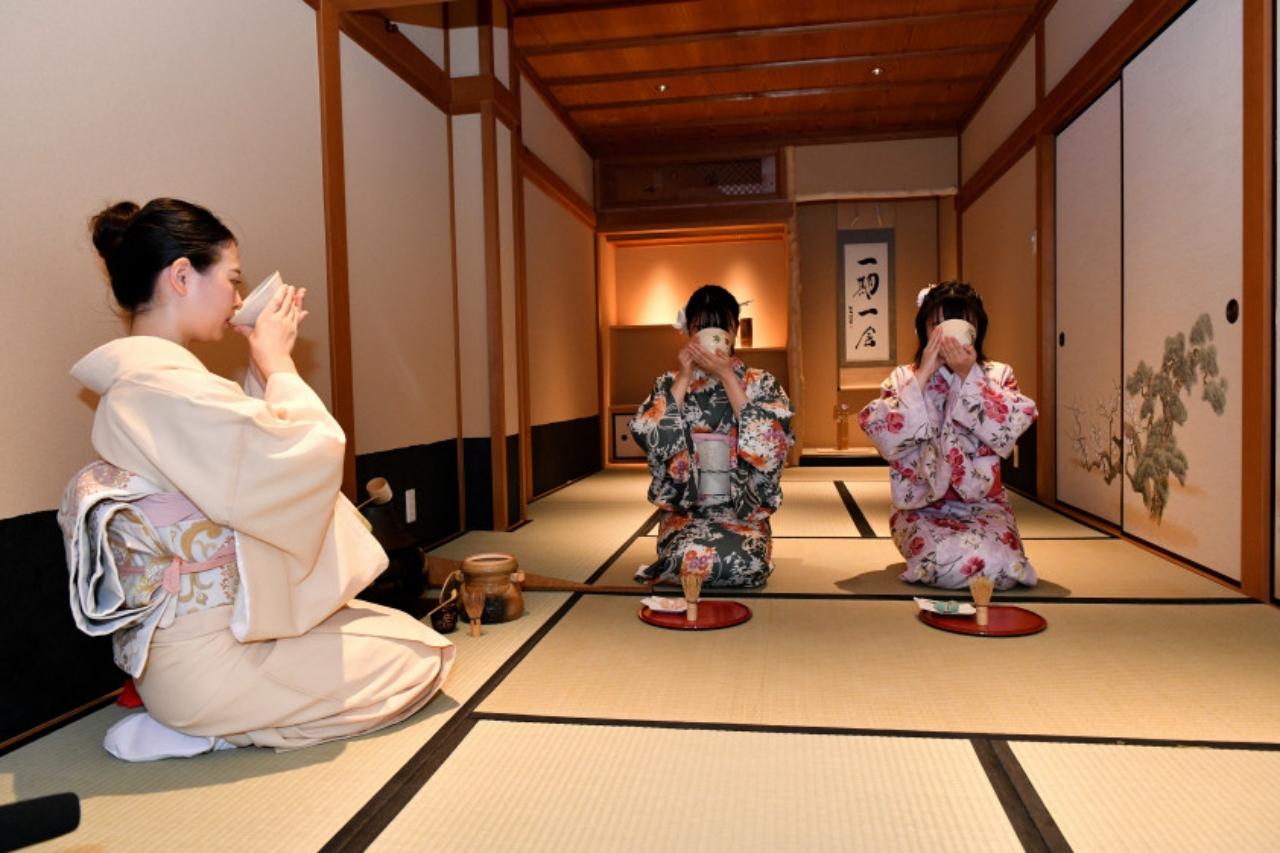
Dress in traditional kimono and master the art of preparing matcha in an intimate Kyoto tea room
Reserve
50 min
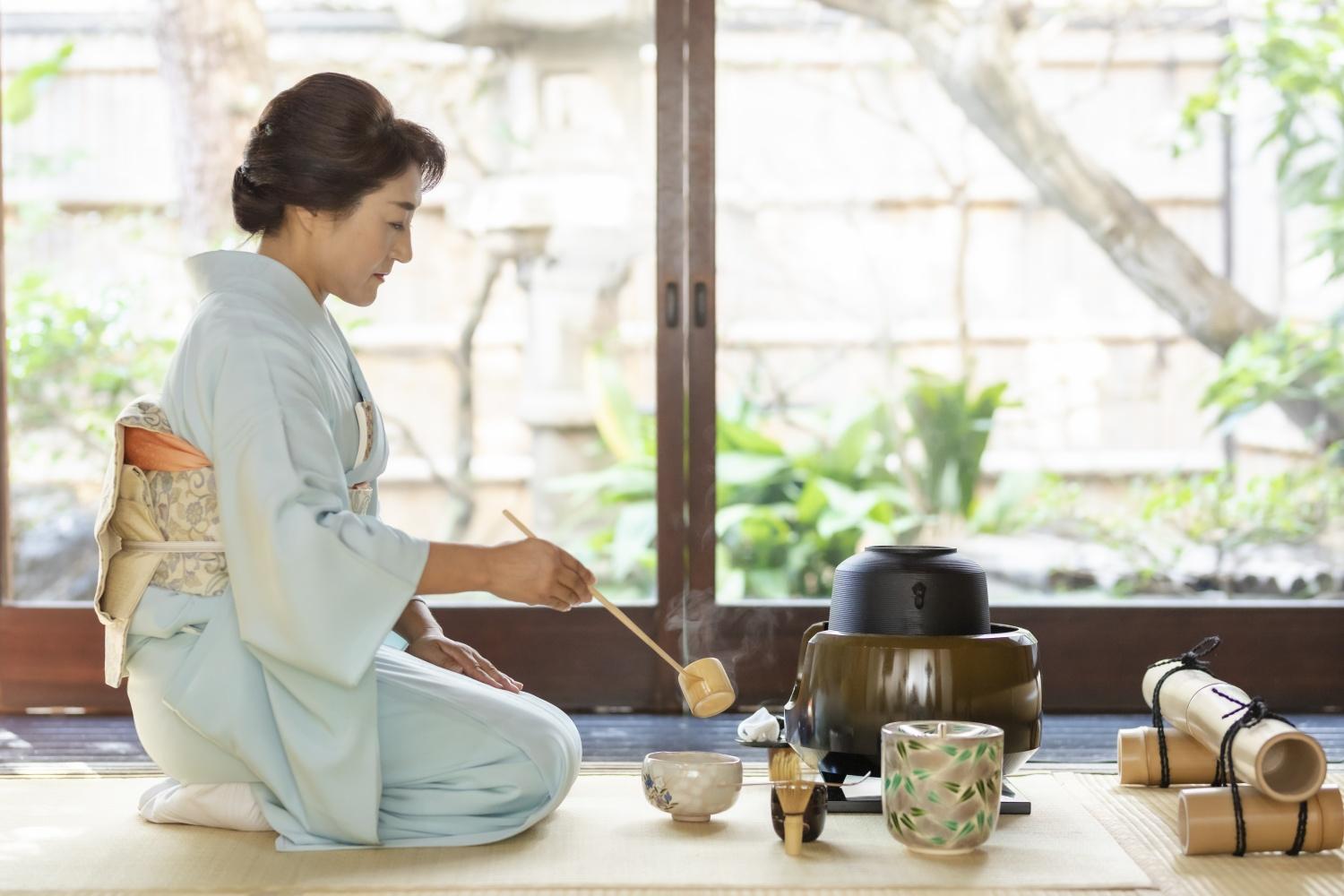
Learn the art of Japanese tea preparation with a master in a century-old townhouse near the Imperial Palace
ReservePrices from verified partners. Availability updates in real time at checkout. Free cancellation policies apply where shown.
The landmarks, rooms, and views travelers on this tour remember — all visible on a single visit.
They complement each other; most visitors who do both call the Uji Tea Museum the more interactive choice for those seeking a comprehensive matcha grinding experience and walking tour in uji kyoto tours, while the machiya ceremony offers superior intimacy.
| Feature | Top pick Uji Tea Museum | Traditional Machiya Tea Ceremony |
|---|---|---|
Experience Type |
Educational museum exhibit | Formal ritual practice |
Interactive Elements |
Hand-crank stone mill | Observation of master |
Cultural Context |
Agricultural production history | Zen aesthetic philosophy |
Location |
Uji City riverside | Historic machiya townhouse |
Setting |
Modern facility spaces | Quiet tatami room |
Group Size |
Large scale capacity | Private or small group |
| See tickets → |
Verdict: Choose the museum for a broader grasp of tea production during your matcha grinding experience and walking tour in uji kyoto tickets, or opt for a machiya visit if you prioritize a serene, authentic tea ceremony encounter for your matcha grinding experience and walking tour in uji kyoto tour.
Choose your ticket, select your date, and reserve in under two minutes. Secure checkout handled by our verified partner.
Instant confirmation by email, with a mobile voucher you can save offline. No printing, no queuing at a collection desk.
Arrive at the entrance, show your voucher on your phone, and walk in. Most tickets include priority or skip-the-line access.
Practical details for your visit straight from our verified partners — hours, access, rules, and how to get there.
Casual comfortable attire is recommended for your matcha grinding experience and walking tour in uji kyoto, as you will be seated in traditional tea rooms.
Large luggage including carry-on bags should be stored in the provided free coin lockers on the first floor of the Uji Tea Museum.
Personal photography is permitted throughout most of the museum, though flash and tripods are restricted to ensure the comfort of others during your matcha grinding experience and walking tour in uji kyoto.
The Uji Tea Museum and surrounding park are fully accessible with smooth paths and elevator access to the observation terrace.
The matcha grinding experience and walking tour in uji kyoto is family-friendly, with specific museum exhibits designed for interactive learning for children.
Outside food is not permitted within the museum. On-site restaurants at the Uji Tea Museum offer high-quality matcha-based sweets and refreshments.
Best time to go, insider tips, nearby landmarks, and the cancellation fine print — flip through to skim what matters to you.
Flexible, no hidden fees.
Tickets for the matcha grinding experience and walking tour in uji kyoto are non-refundable once purchased. Dates and times cannot be modified after confirmation.
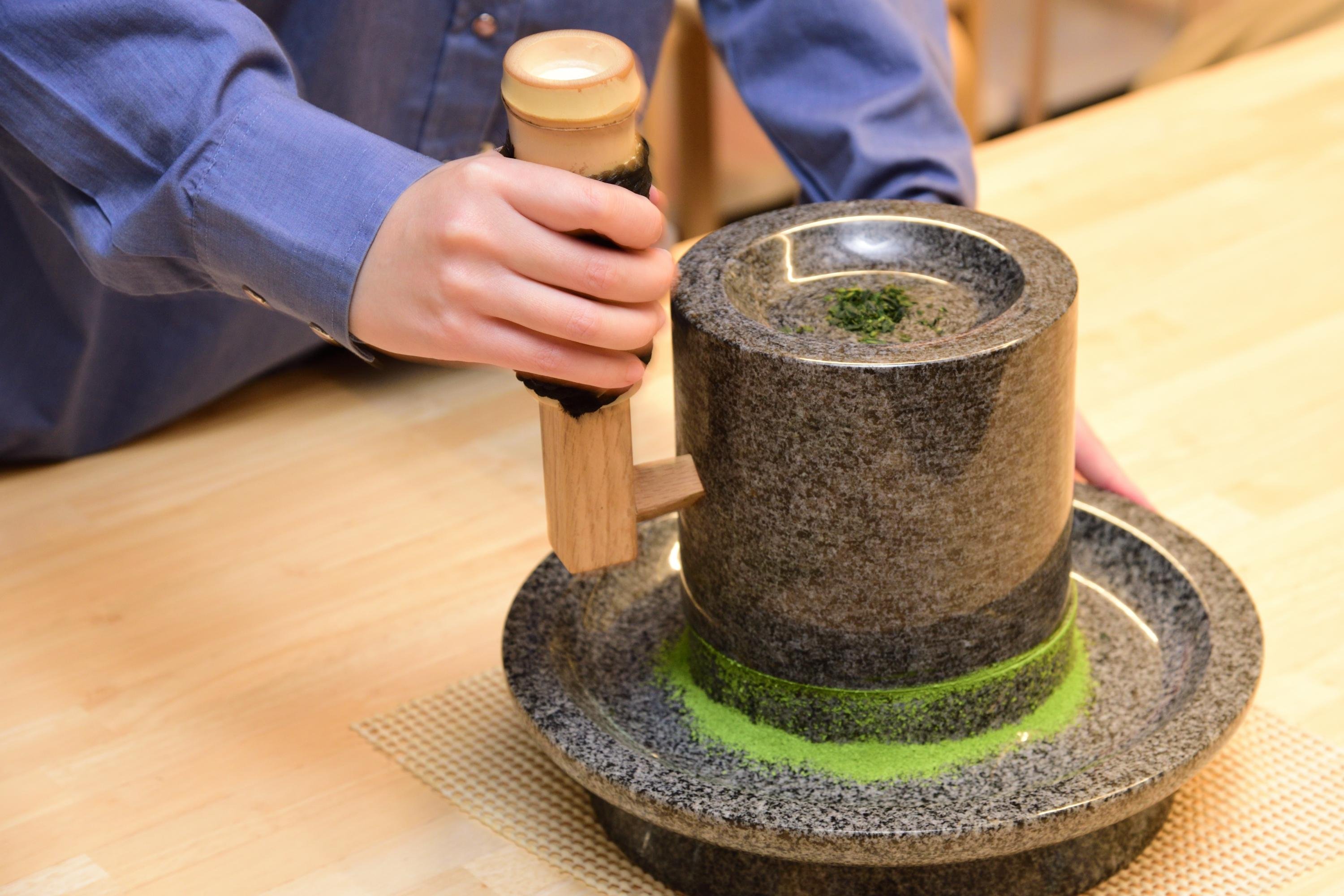
The Uji Tea Museum opened in 2017 as the first institution in Japan dedicated exclusively to documenting the 800-year lineage of Uji tea cultivation, a craft that supplied imperial courts from the Kamakura period onward. Located in Todoh, a district where stone-grinding mills once lined the Uji River, the museum occupies a contemporary timber structure designed to echo the proportions of Edo-period tea warehouses. Its permanent collection spans 400 artifacts, including Genroku-era ceramic tea jars, nineteenth-century iron grinding wheels, and signed correspondence between Uji tea merchants and Tokugawa shoguns. Uji's matcha production hinged on three technical innovations introduced between 1200 and 1600: shade cultivation under reed canopies to concentrate chlorophyll, stone-grinding at precise rotational speeds to preserve volatile compounds, and quality grading systems that assigned poetic names to harvest batches. The museum's galleries trace each innovation through working replicas and archival records. A matcha grinding experience and walking tour in Uji Kyoto begins in the demonstration hall, where visitors use granite mills identical to those employed by sixteenth-century tea masters, grinding tencha leaves into powder fine enough to suspend in water without sediment. The museum's walking circuit extends beyond its walls into the surrounding Maruyama district, where heritage tea fields still operate under traditional shade structures. Interpretive markers identify the cultivars planted in each plot and explain seasonal pruning cycles. The route passes the stone foundation of a Meiji-era tea processing facility and concludes at a riverside overlook where boats once transported tea casks to Osaka markets. Museum admission is 600 JPY per person, with hours from 09:00 to 17:00 daily. Workshops integrate hands-on grinding sessions with guided neighborhood walks, connecting museum artifacts to the living landscape that produced them. The experience roots visitors in the material realities of Uji's tea economy, from soil chemistry to imperial patronage networks that sustained the industry across centuries.
"Uji's stone-grinding mills once lined the river, each rotating at speeds calibrated to preserve matcha's volatile compounds."
A step-by-step walkthrough of the visit — what you'll see, how long each stage takes, and the details that matter.
You arrive at the museum's timber entrance hall at 09:30, where natural light filters through shoji-inspired screens. The first gallery presents a timeline of Uji tea history through ceramic vessels and merchant ledgers. You pause at a glass case holding a Genroku-era tea jar stamped with a feudal quality seal. In the demonstration hall, you take a seat at a low table facing a granite mill, its stone surface cool under your palms. An instructor demonstrates the circular grinding motion required to achieve particle sizes between 5 and 10 microns. You pour a measure of tencha leaves into the mill's center and begin rotating the upper stone, feeling resistance as chlorophyll-rich fragments collect in the grooves. After twenty minutes of grinding, you transfer the resulting powder into a ceramic bowl and whisk it with hot water, noting how the color shifts from moss green to jade as air incorporates into the suspension. The walking portion begins outside, where you follow a paved path through shade-covered tea rows. You stop beneath a reed canopy to examine new spring growth, the leaves still furled and pale. The route descends to the river, where stone pilings mark the site of a former loading dock. You return to the museum courtyard at 11:45, the scent of ground tea still faint on your fingertips.
The Uji Tea Museum is open daily from 09:00–17:00. Please ensure you arrive by 16:30 for the final admission.
Yes, the 600 JPY entrance fee to the Uji Tea Museum is typically included with your experience booking.
Tickets for the matcha grinding experience and walking tour in uji kyoto are non-refundable and cannot be rescheduled after purchase.
We recommend arriving between 09:00–16:30 to allow sufficient time for museum exhibits and activities.
Children are welcome at the Uji Tea Museum; please ensure those aged 0–5 are accompanied by an adult.
Yes, you may take photos for personal use during your matcha grinding experience and walking tour in uji kyoto, provided you do not disturb other guests.
The site is a 4-minute walk from Keihan Uji Station; the full address is 203-1 Maruyama, Todoh, Uji City, Kyoto, 611-0013 Japan.
Yes, there are 40 free coin lockers available for visitors at the Uji Tea Museum.
You can easily combine your visit with the historic Uji Bridge, Byodoin Temple, and the Ujigawa Taiko-zutsumi site.