1 hr
Uji Tea Museum & Matcha Grinding Workshop
Explore Japan's tea heritage through interactive exhibits and craft your own matcha in historic Uji
Reserve
Grind tencha leaves by hand, witness centuries-old technique
Hand-picked by our editors — only the best 4 matcha experiences from 19 reviewed.
Verified partners for Kyoto Matcha Making Class tours, free cancellation where available, and instant confirmation on every booking.
1 hr
Explore Japan's tea heritage through interactive exhibits and craft your own matcha in historic Uji
Reserve
45 min
Learn the art of matcha preparation in a serene Japanese garden near Kiyomizu-dera Temple
Reserve
1 hr 30 min
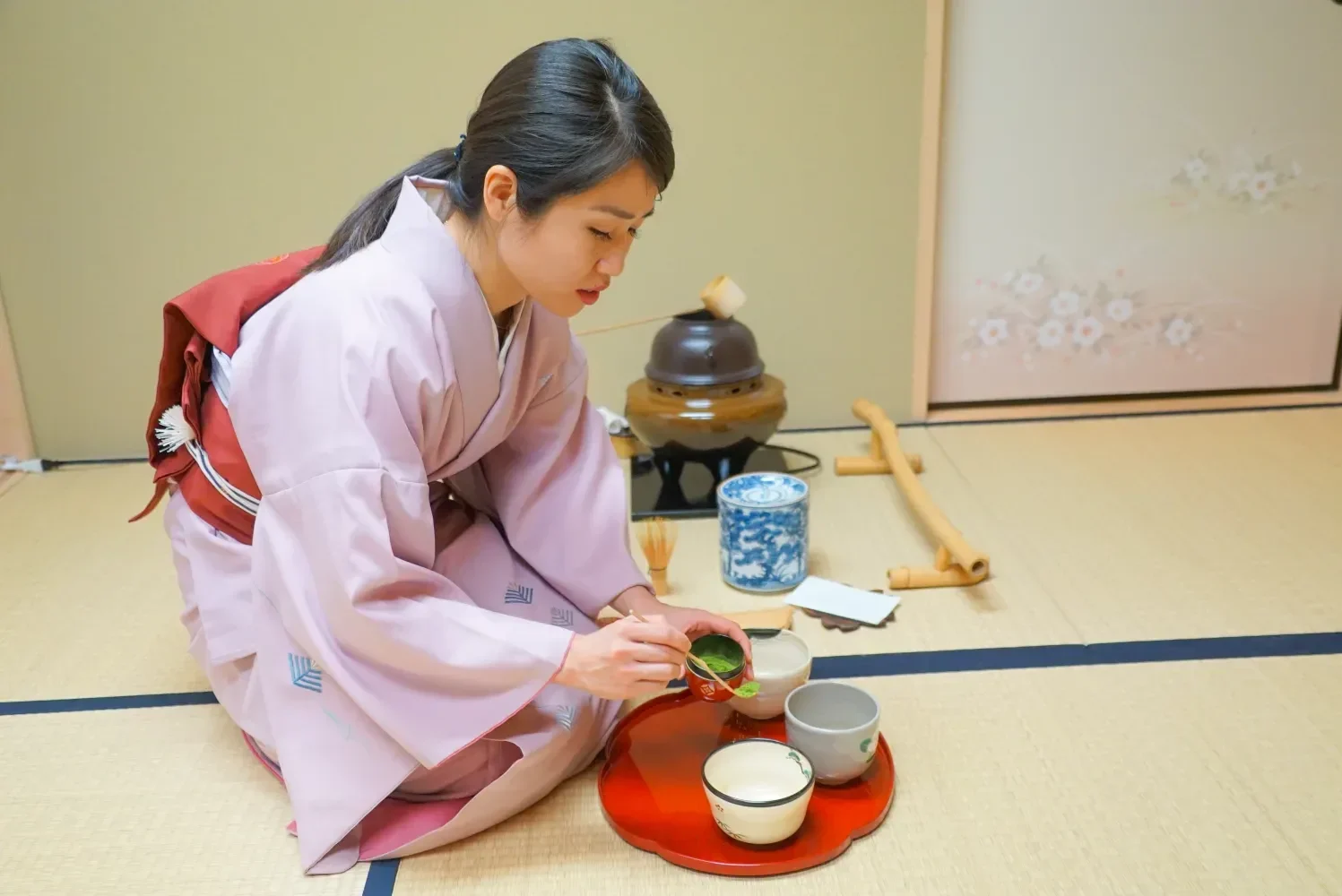
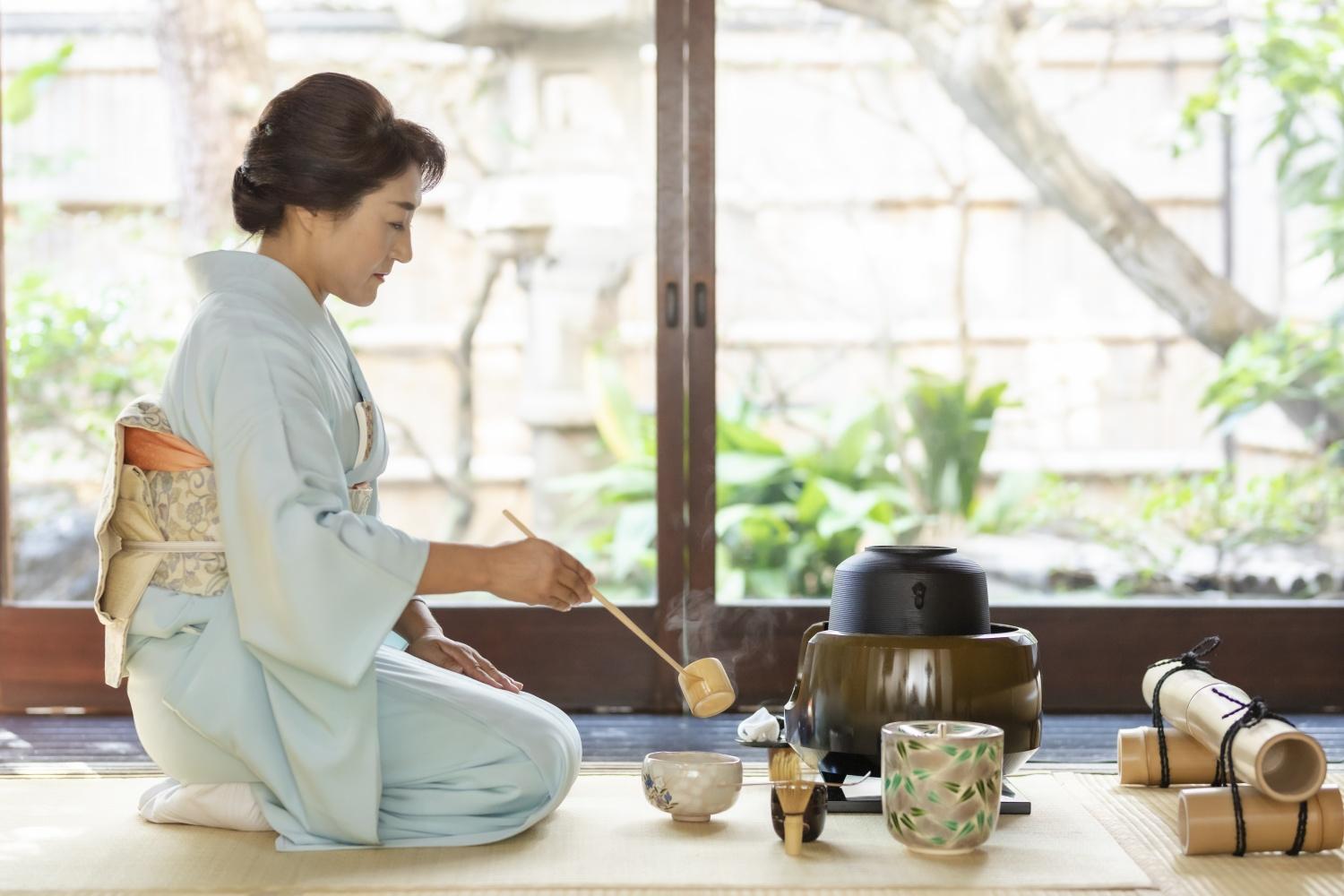
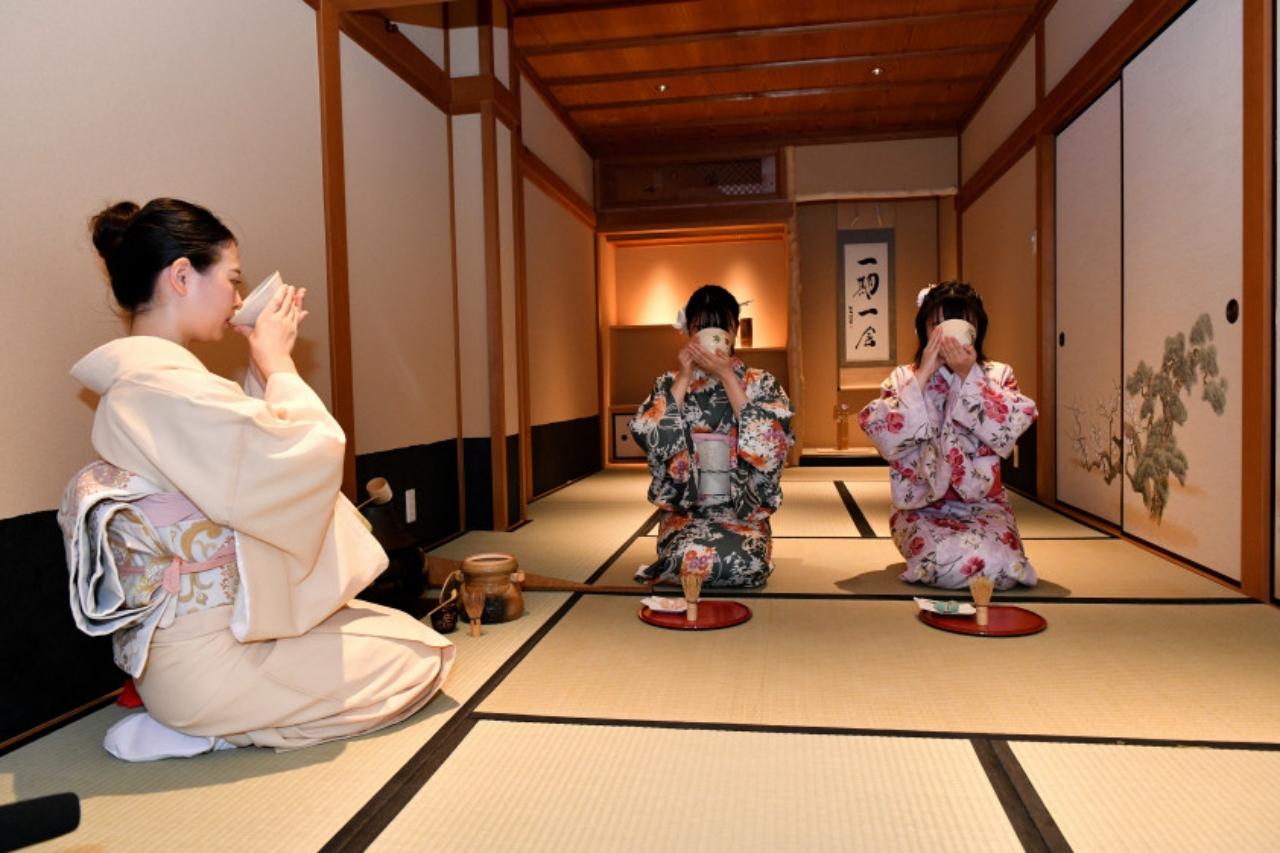
Dress in traditional kimono and master the art of matcha preparation in a tranquil Kyoto tea room
ReservePrices from verified partners. Availability updates in real time at checkout. Free cancellation policies apply where shown.
The landmarks, rooms, and views travelers on Kyoto Matcha Making Class tours remember — all visible on a single visit.
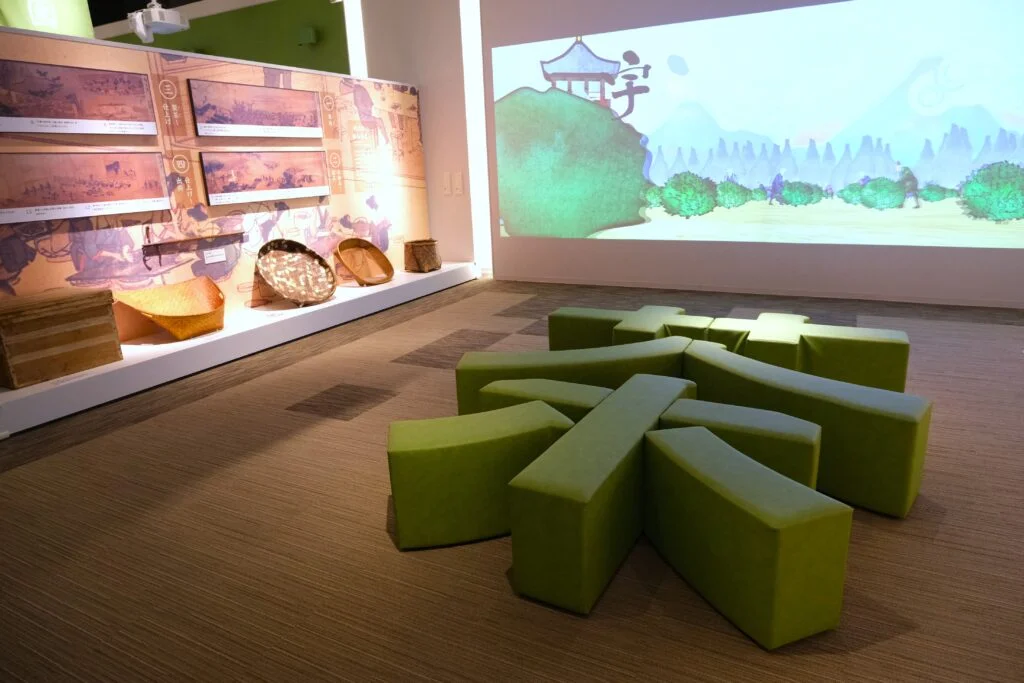
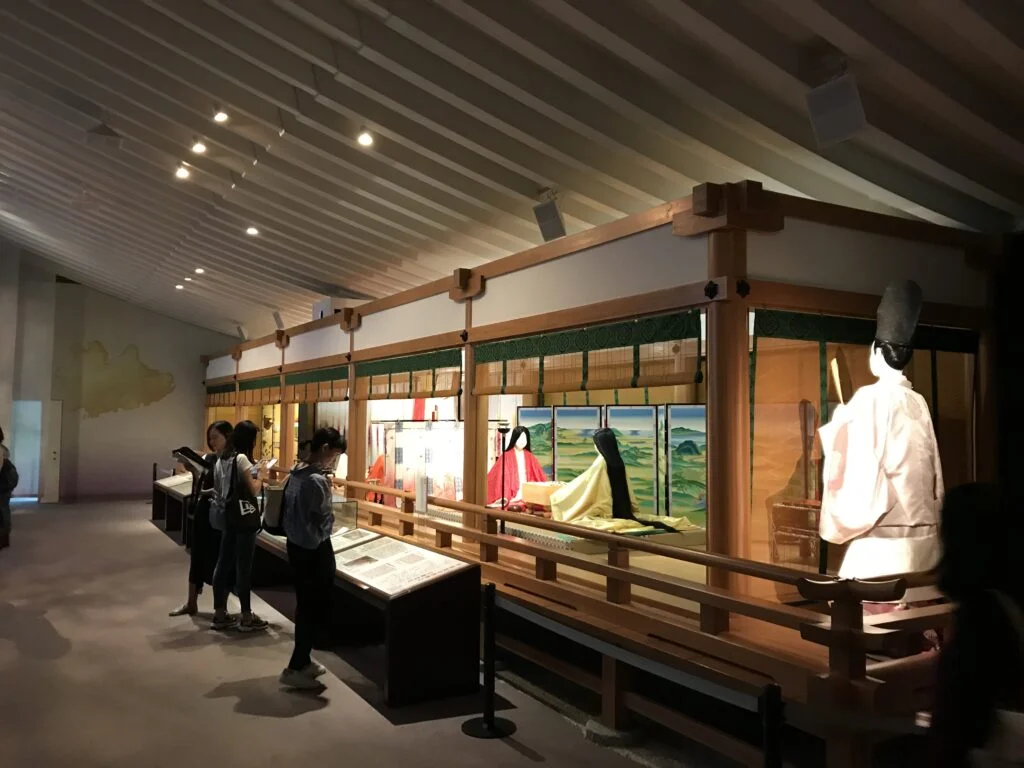
Discover the origins of tea production in Uji dating back to the 12th century. This area houses rare historical documents and ancient tools.
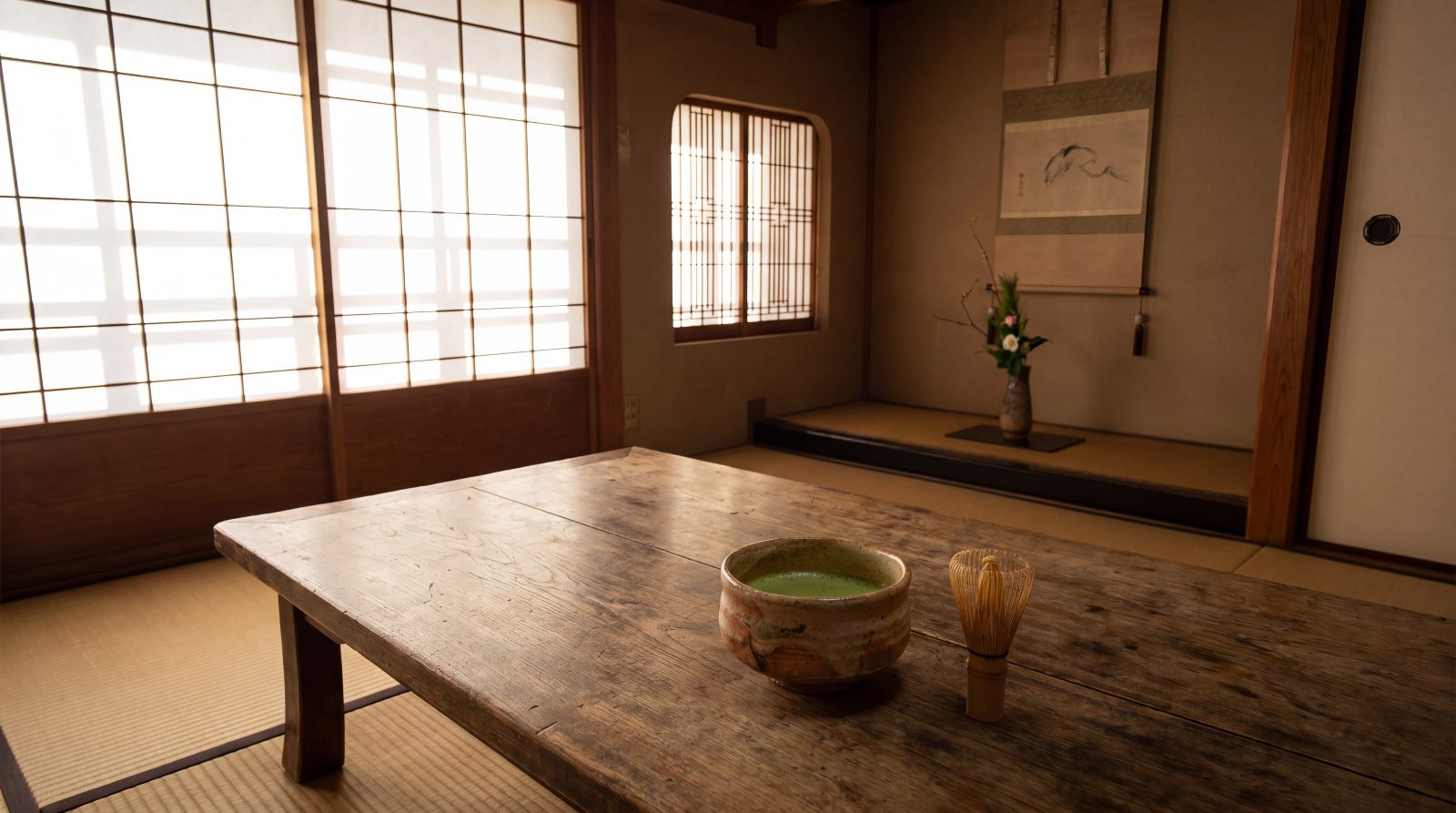
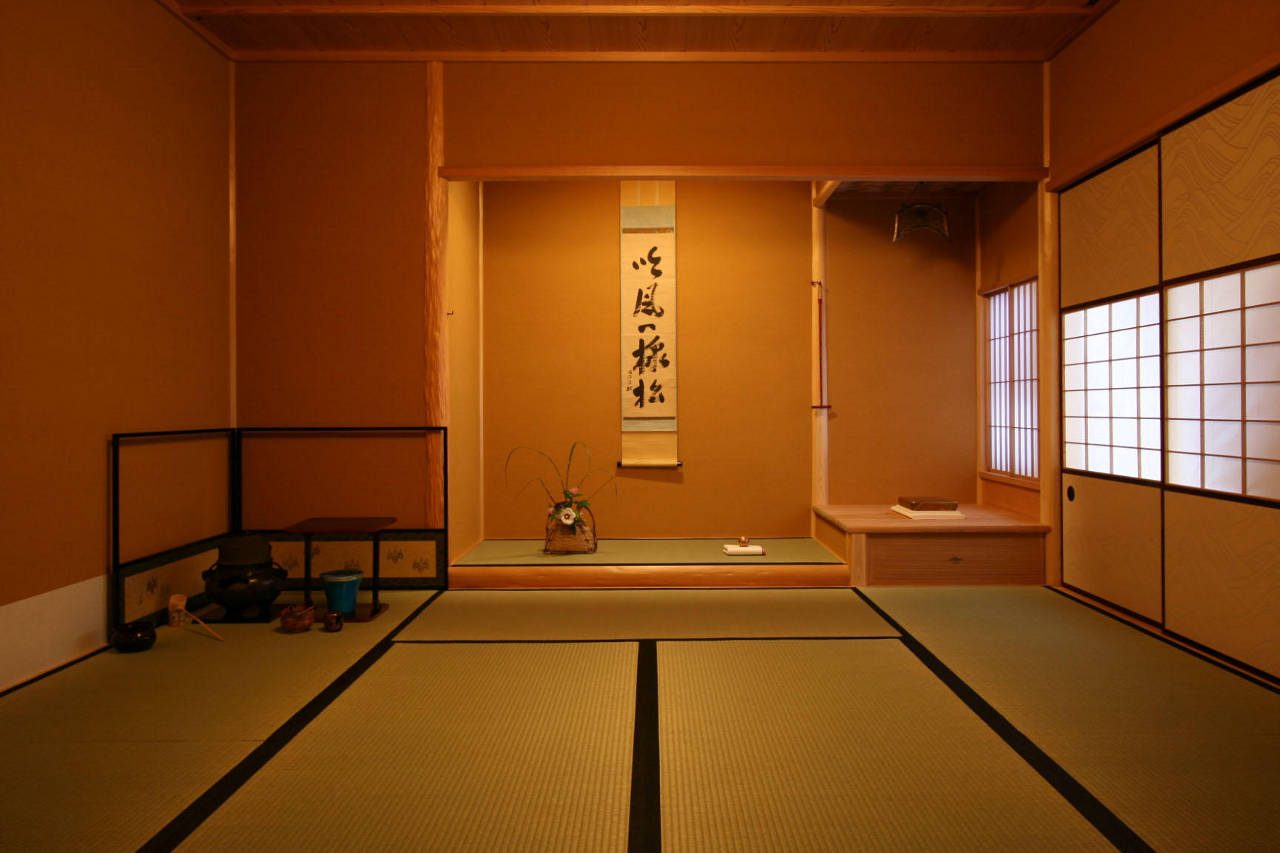
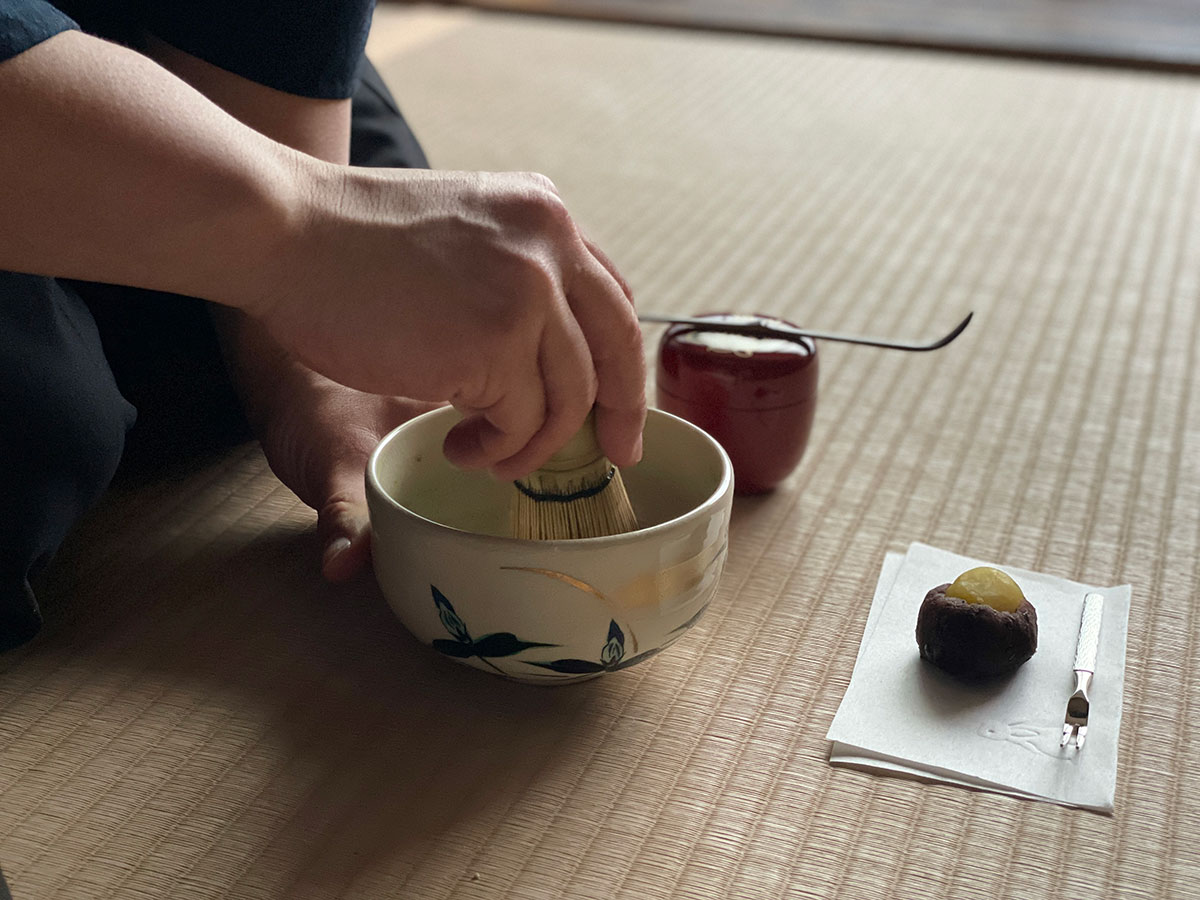
Learn the precise art of whisking in an authentic setting during your kyoto matcha making class. This room features traditional tatami flooring and serene decor.
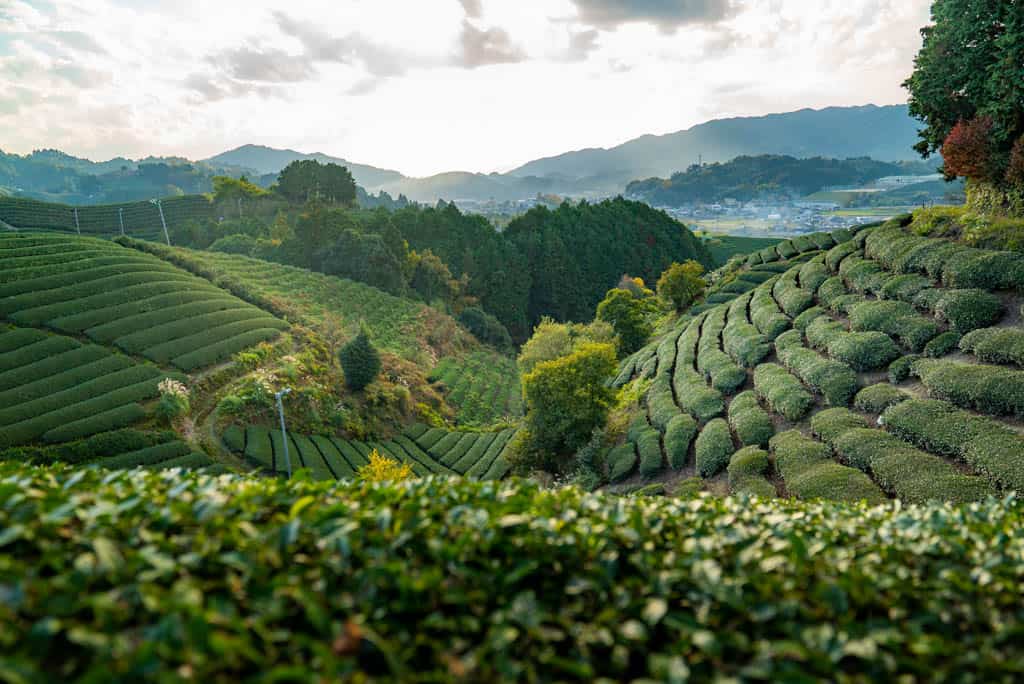
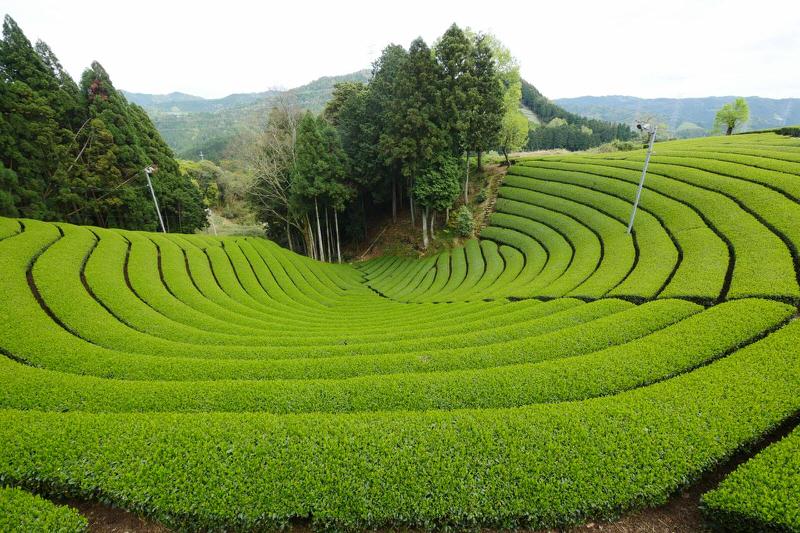
Understand how the unique geography and climate of Uji create premium leaves. Interactive maps show local tea field locations.
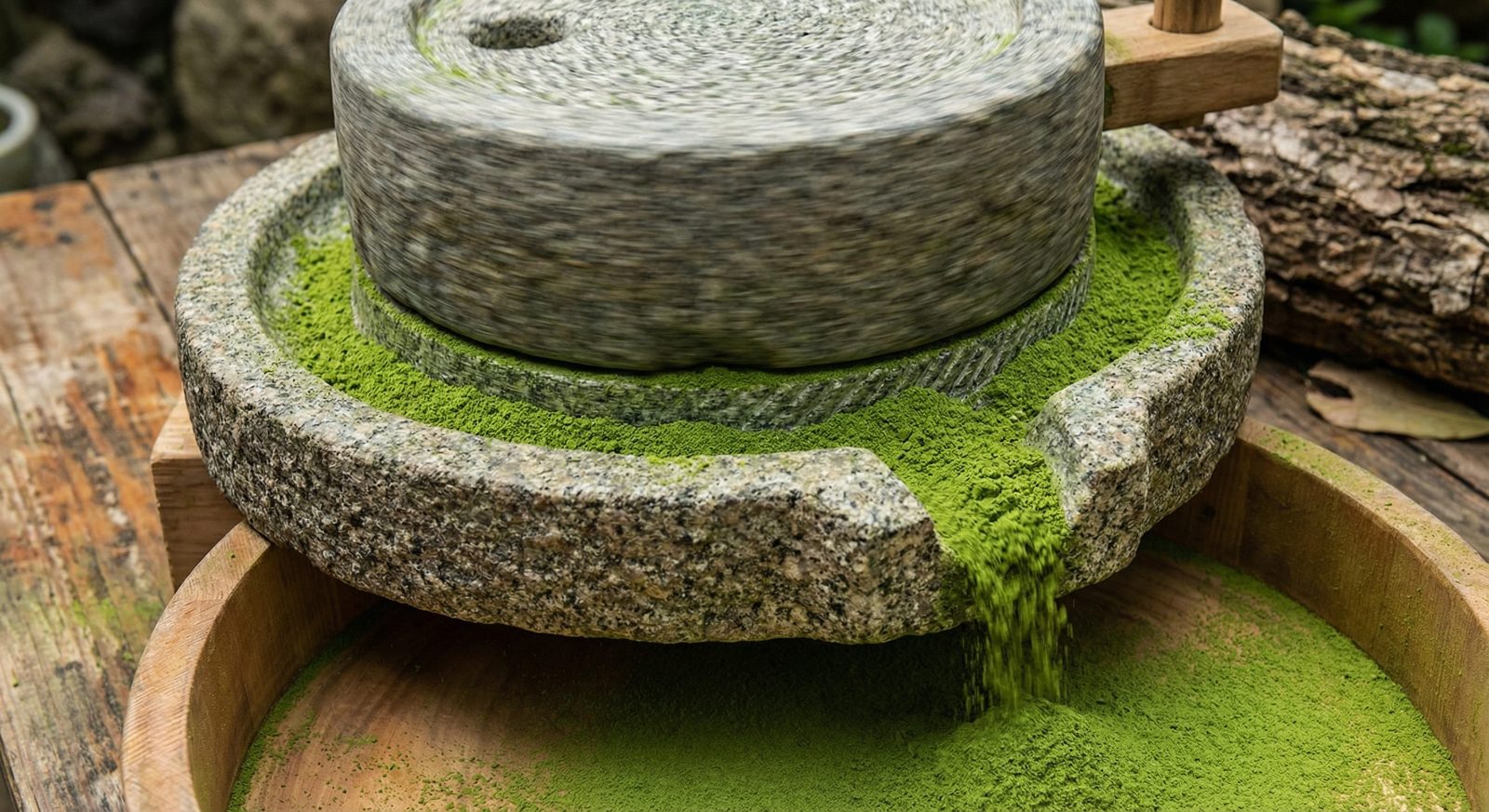
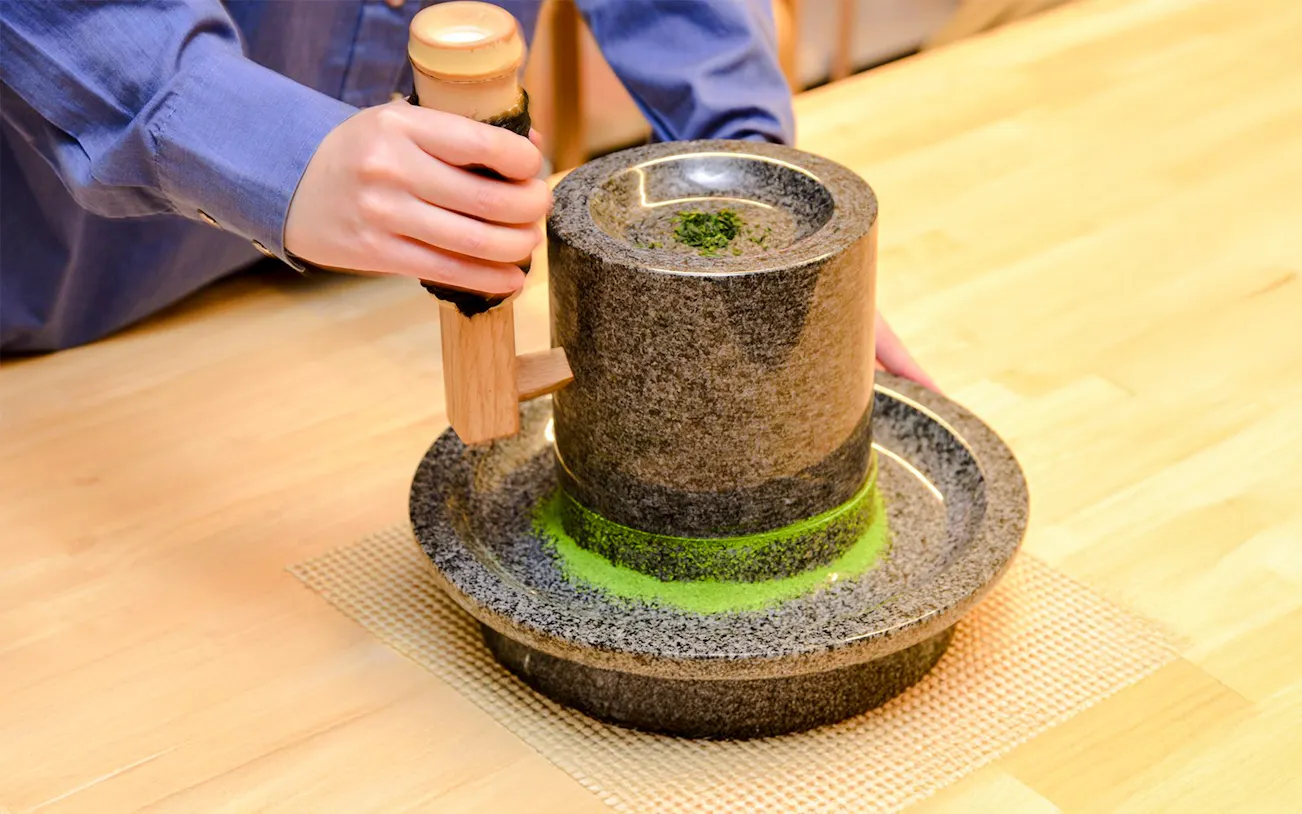
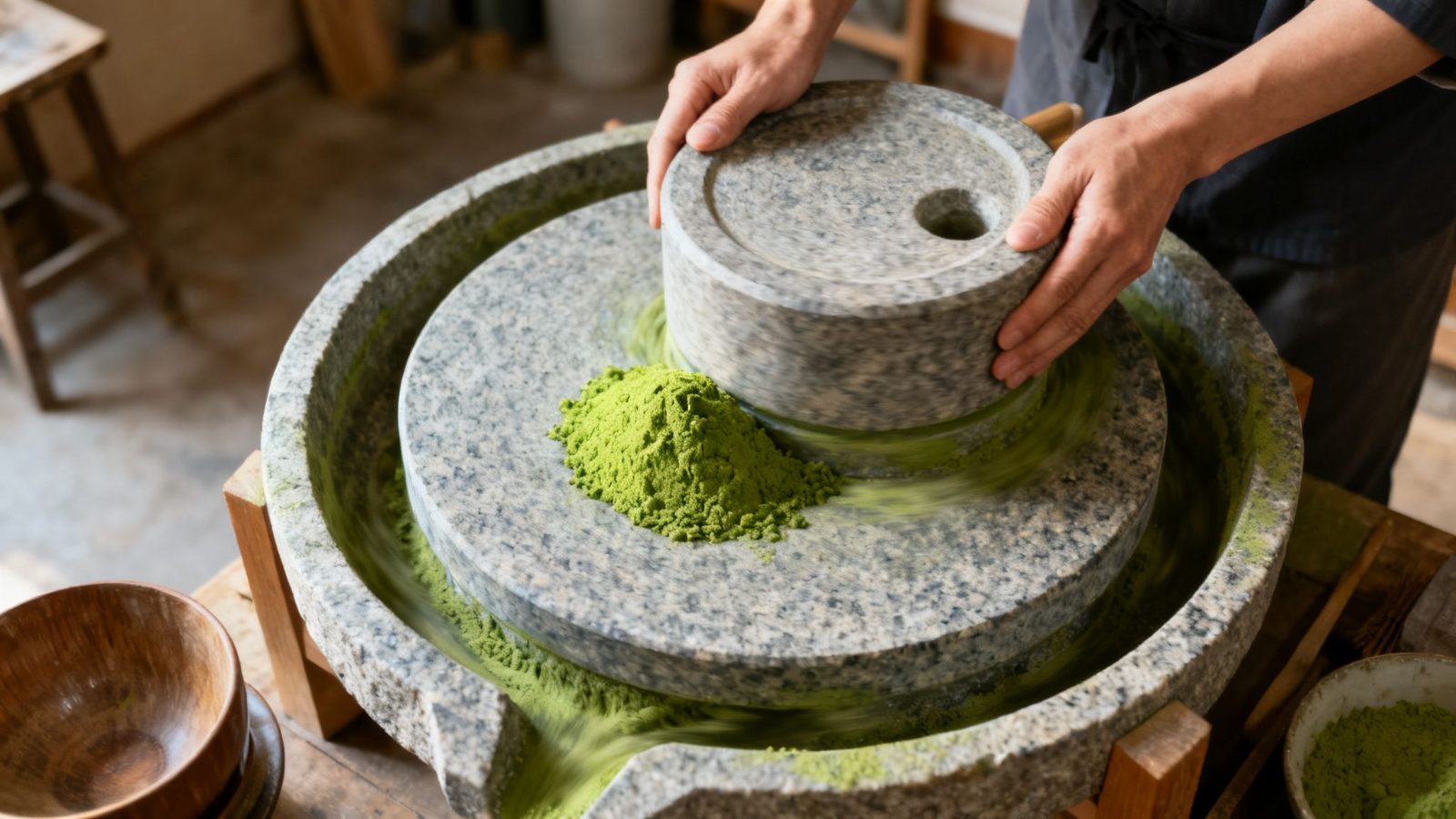
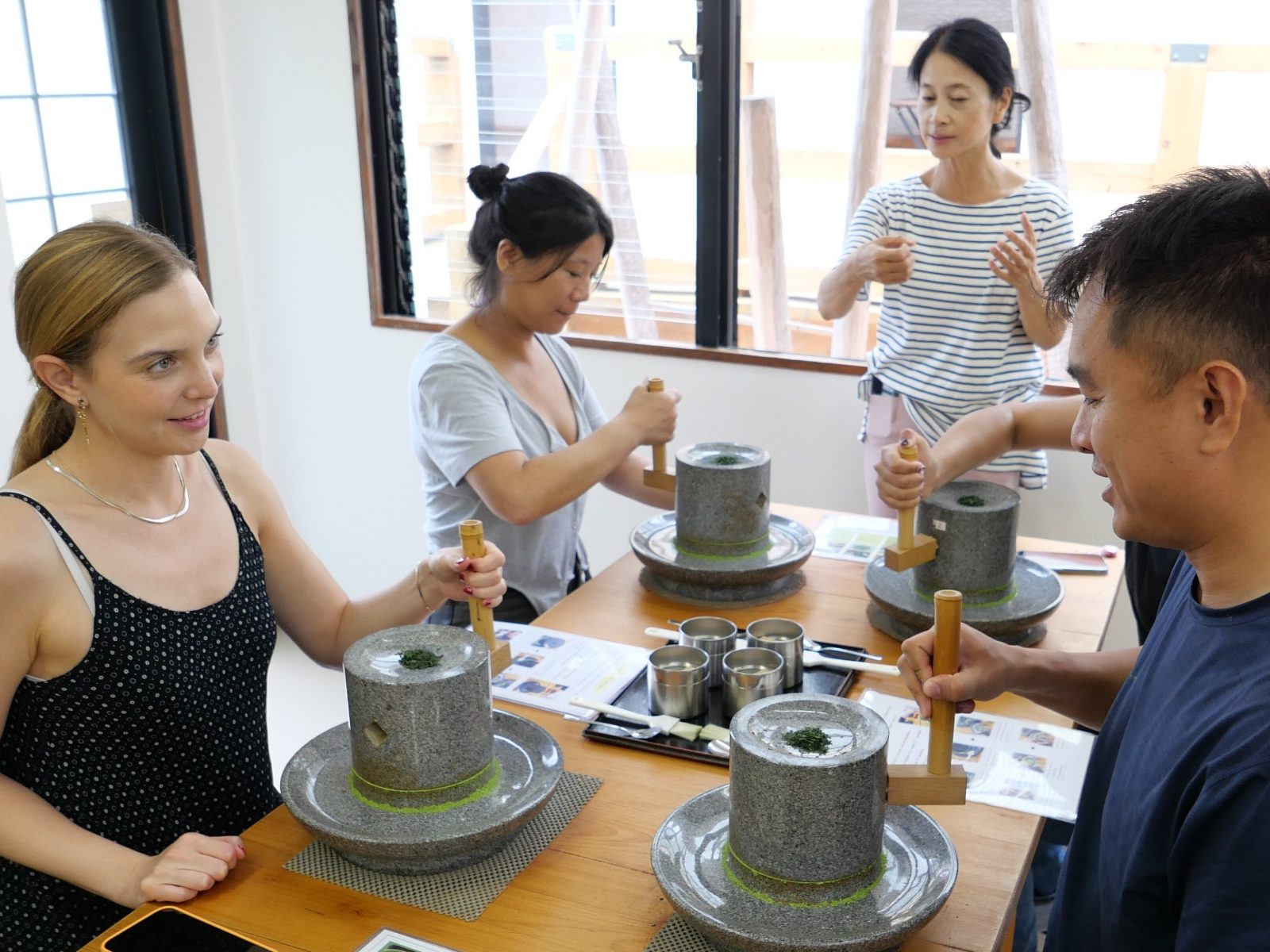
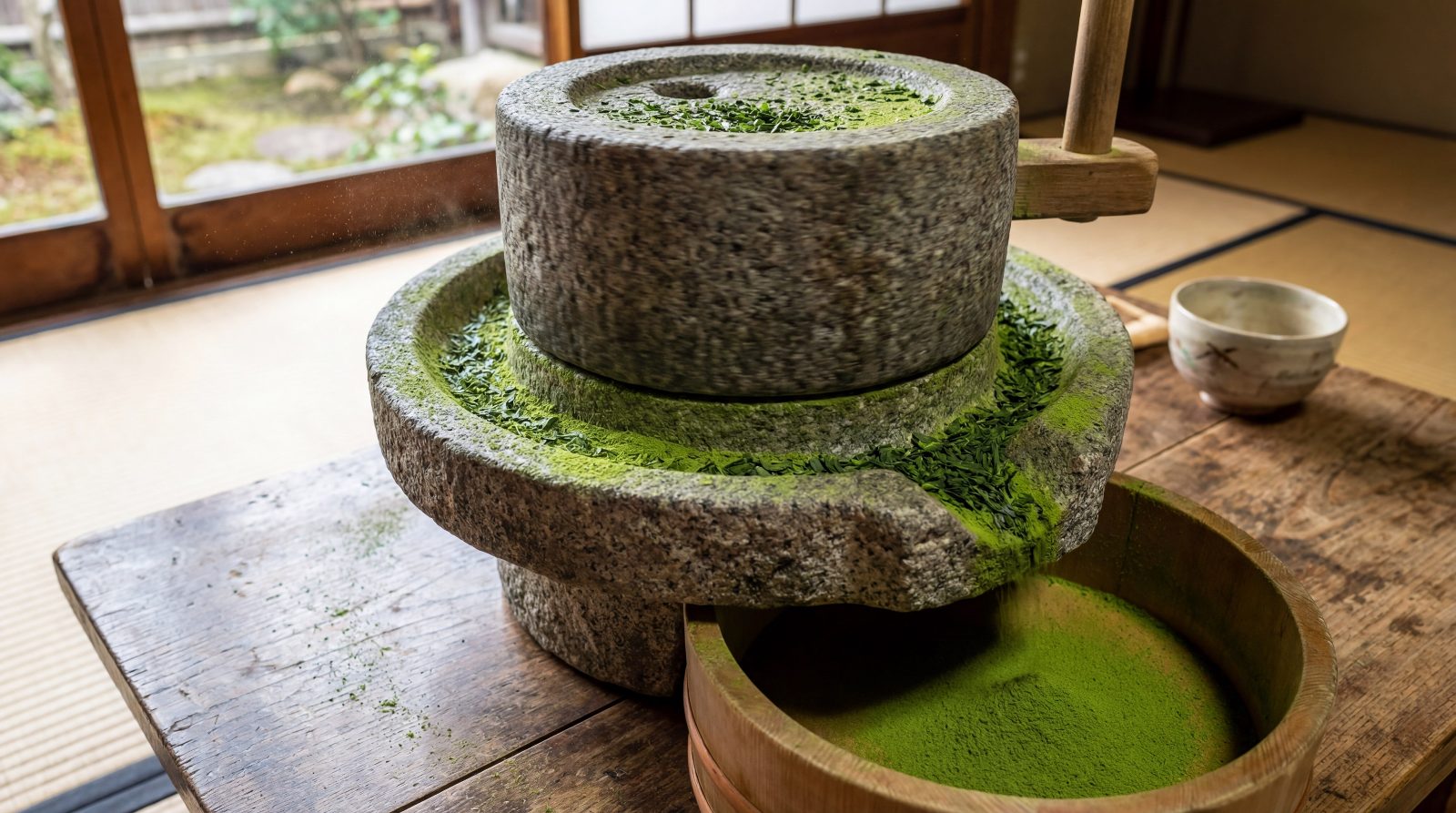
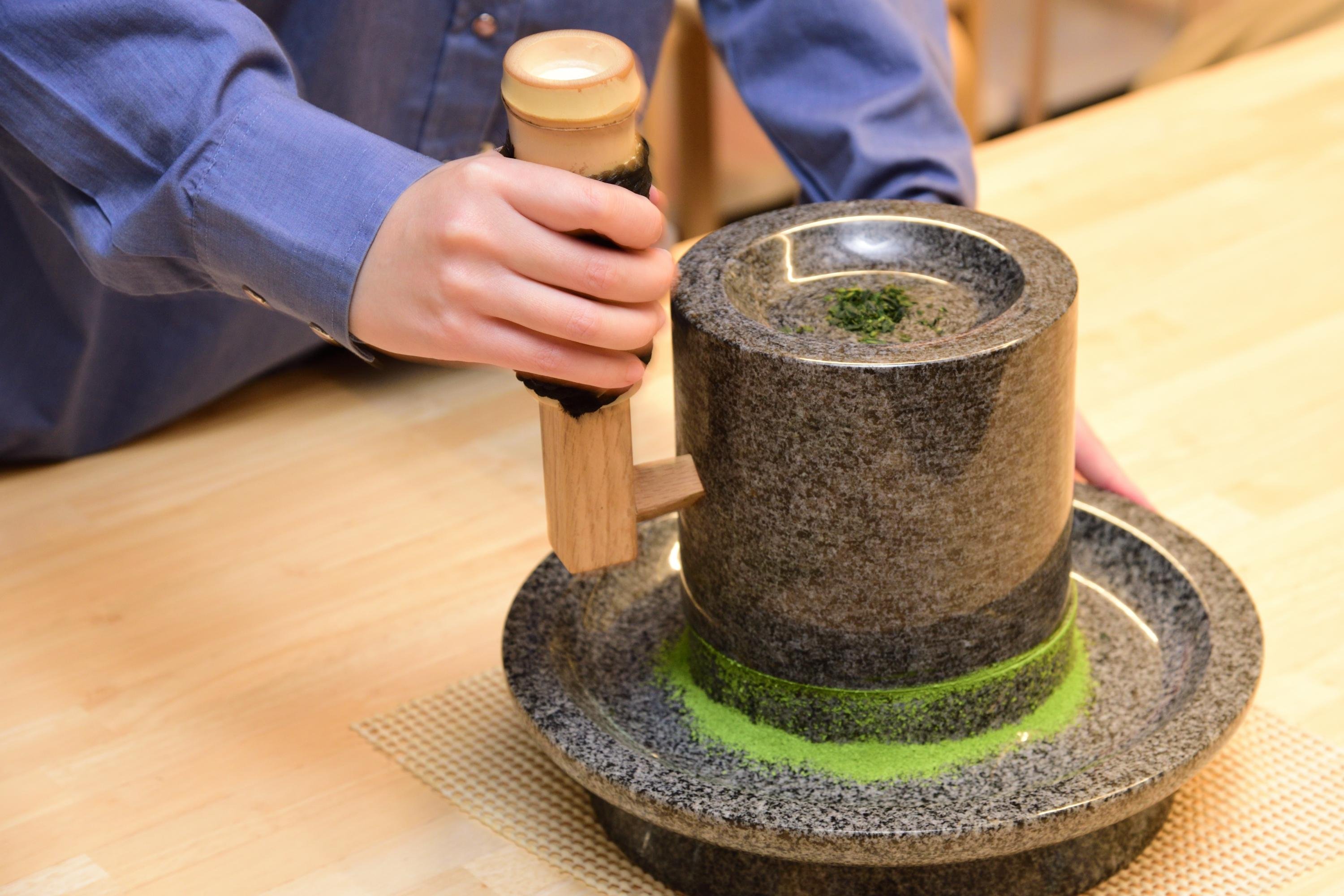
See how tea leaves are ground into fine powder using traditional stone mills. It is a central feature of every kyoto matcha making class.
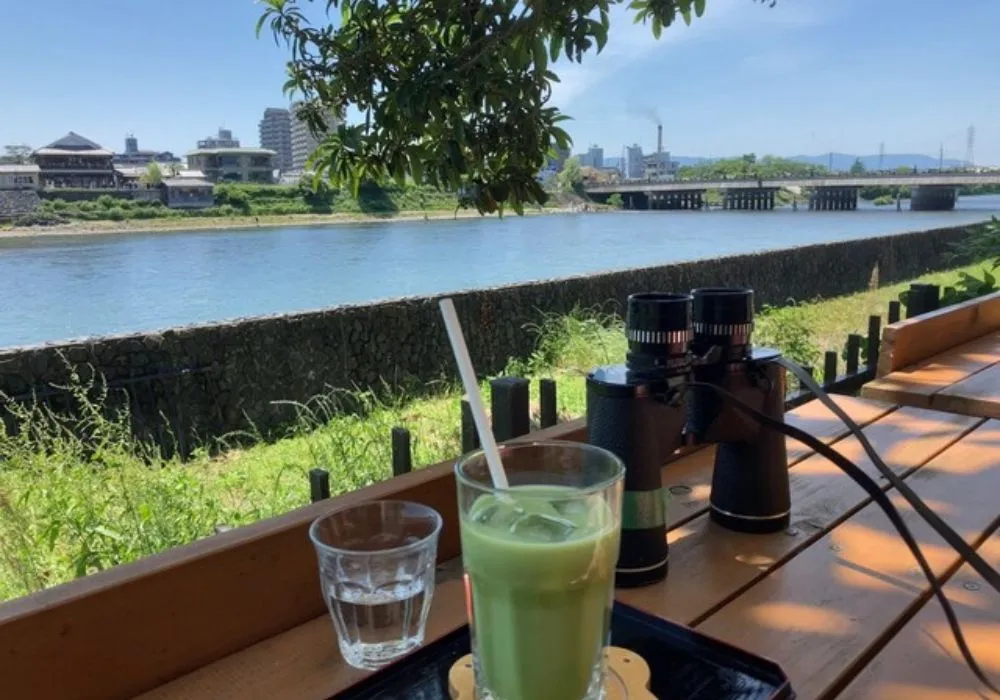
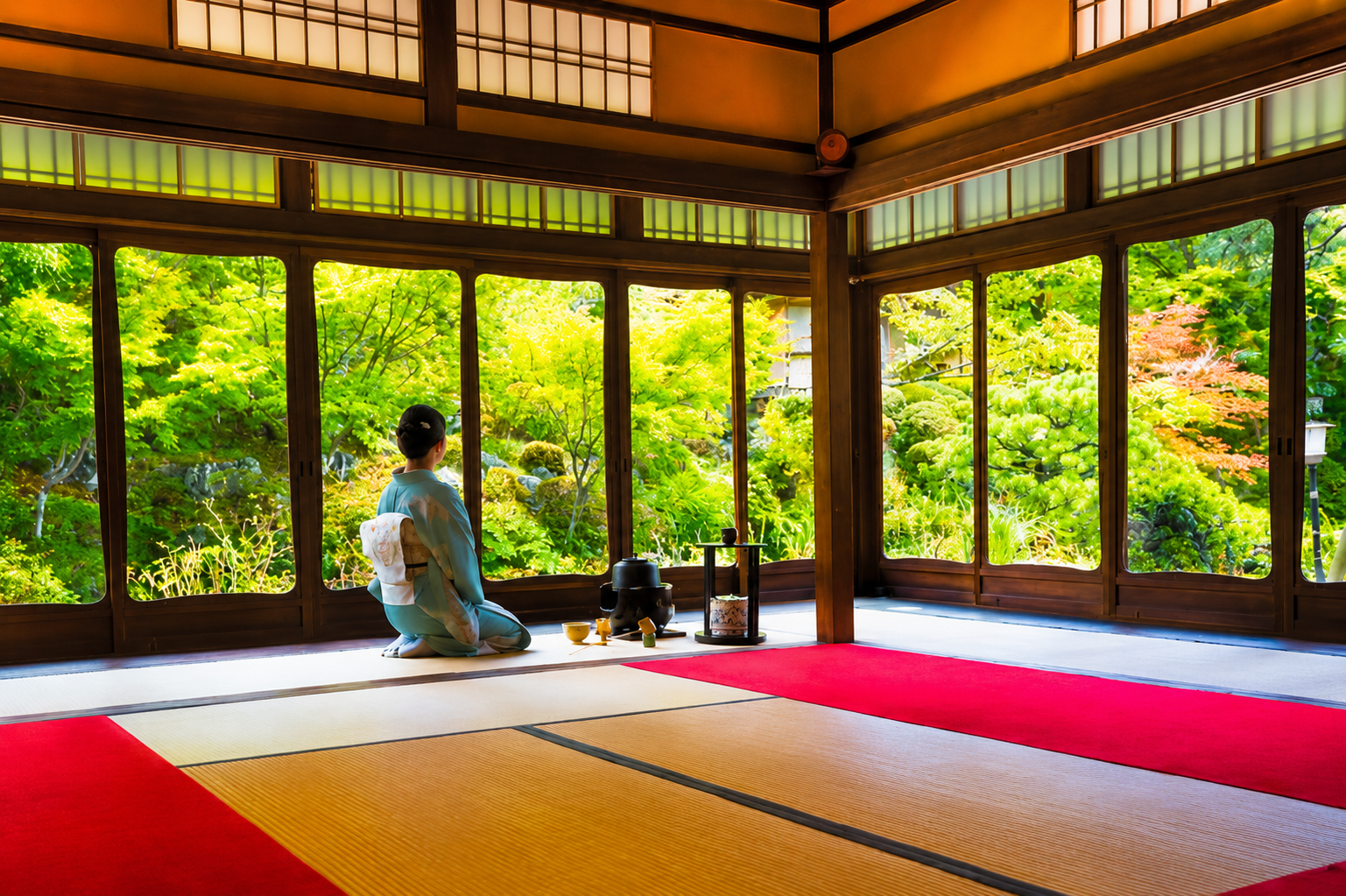
Enjoy the seasonal colors of the Japanese garden located within the museum grounds. It offers a quiet space for reflection after a kyoto matcha making class.
Every Kyoto Matcha Making Class tour side-by-side — duration, what's included, how you redeem.
| Experience | Duration | Rating | Guide | Small group | Free cancel. | Price | |
|---|---|---|---|---|---|---|---|
|
Standard Entry Most popular
Uji Tea Museum & Matcha Grinding Workshop
|
1 hr | ★ 4.9 | — | — | ✓ | €20 | Book → |
|
Standard Entry
Traditional Tea Ceremony in Historic Garden Tea House
|
45 min | ★ 4.8 | — | ✓ | ✓ | €49 | Book → |
|
Standard Entry
Kimono Tea Ceremony at Orizuruya Gion
|
1 hr 30 min | ★ 4.9 | ✓ | ✓ | ✓ | €43 | Book → |
All prices from verified partners. Availability and exact terms confirmed at checkout.
The Uji Tea Museum offers a comprehensive academic overview, while private city workshops excel at personalized, artisan-led interaction; choosing the right kyoto matcha making class depends on whether you prioritize broad cultural context or focused skill development.
| Feature | Top pick Uji Tea Museum | Private City Workshops |
|---|---|---|
Educational Depth |
Extensive cultural and historical exhibits | |
Atmosphere |
Public museum with interactive learning stations | |
Accessibility |
Located in Uji with fixed operating hours | |
Cost Structure |
600 JPY museum admission fee | |
Hands-on Intensity |
Guided group whisking sessions | |
Group Size |
Typically caters to larger visitor groups | |
| See tickets → |
Verdict: Visitors seeking a deep dive into tea culture should book kyoto matcha making class tickets at the museum, whereas those preferring a secluded, personalized environment should choose the private city workshops for their next kyoto matcha making class tour.
Choose your ticket, select your date, and reserve in under two minutes. Secure checkout handled by our verified partner.
Instant confirmation by email, with a mobile voucher you can save offline. No printing, no queuing at a collection desk.
Arrive at the entrance, show your voucher on your phone, and walk in. Most tickets include priority or skip-the-line access.
Practical details for Kyoto Matcha Making Class tickets straight from our verified partners — hours, access, rules, and how to get there.
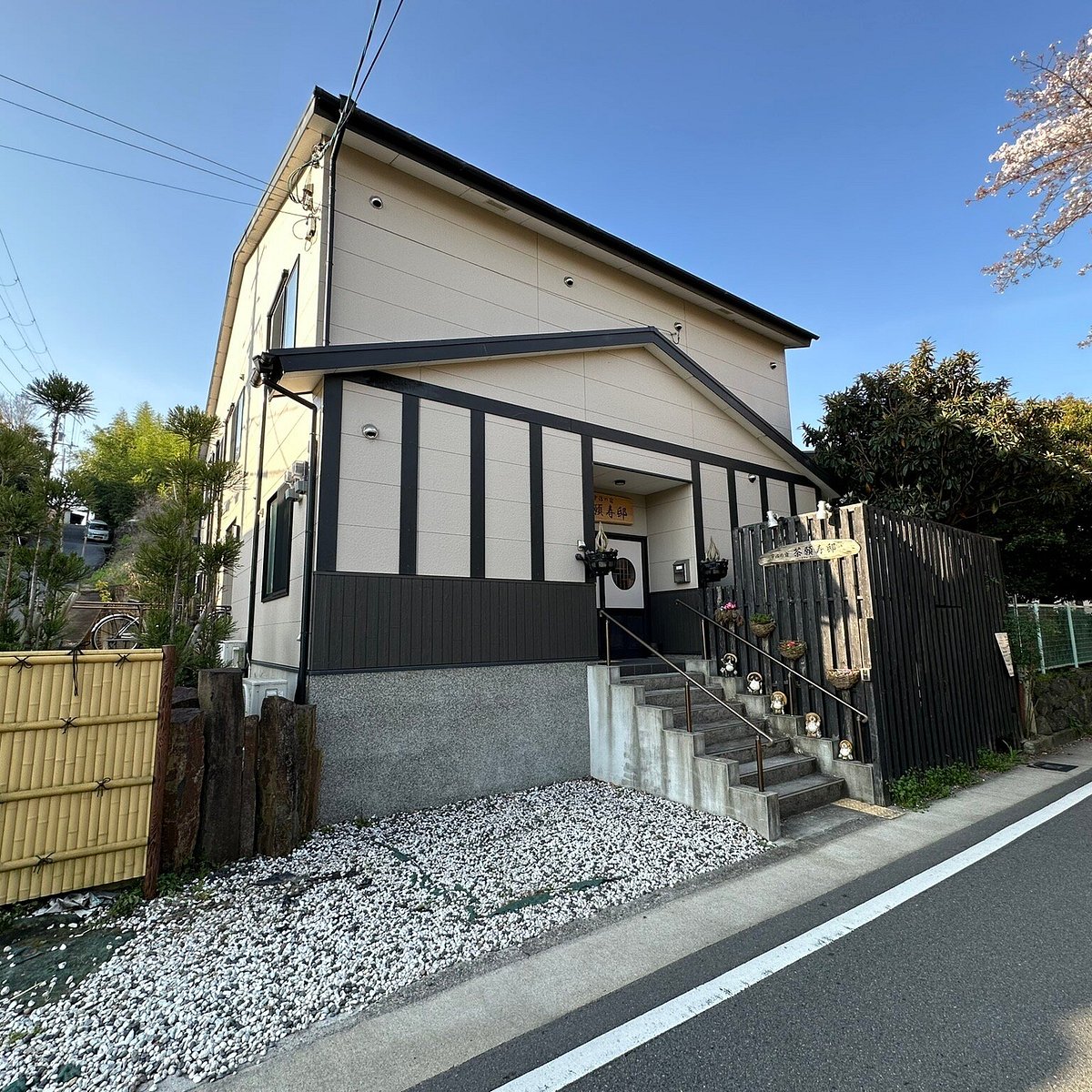
203-1 Maruyama, Todo, Uji City
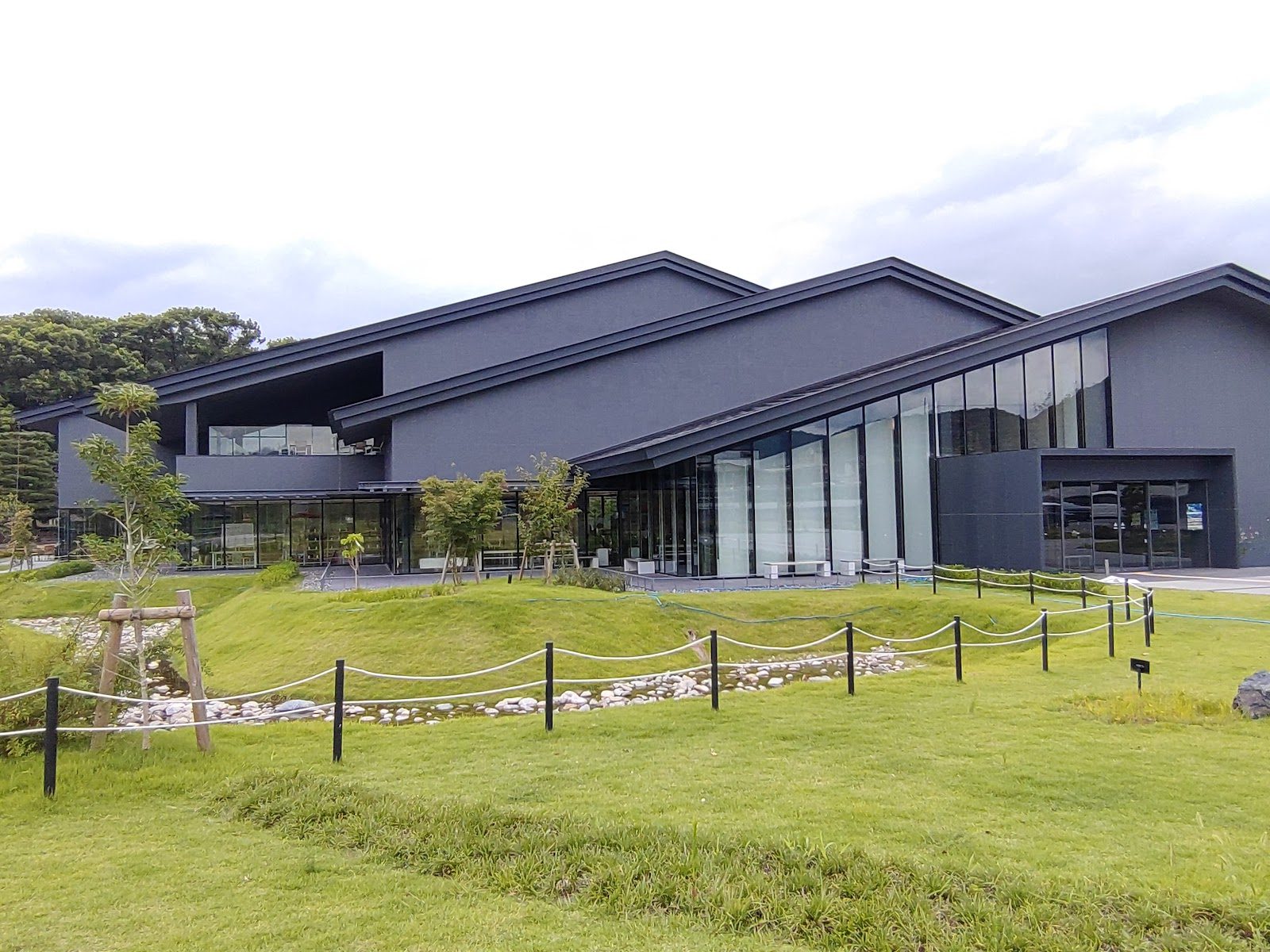
Enter through the main glass lobby
Open in Google MapsTake the JR Nara Line to JR Uji Station, followed by a 10-minute walk. Alternatively, use the Keihan Line to Uji Station.
Follow local signage to Uji City; the museum has limited parking available on-site.
Casual comfortable clothing is recommended for a kyoto matcha making class tour. Modest attire is appreciated as the Uji Tea Museum hosts traditional cultural practices.
Large luggage should be stored in lockers before your kyoto matcha making class begins. Security staff monitor the facility to ensure the safety of exhibits.
Non-commercial photography is permitted throughout the Uji Tea Museum. Please refrain from using flash during your kyoto matcha making class.
The Uji Tea Museum is designed for universal access with wide hallways and elevators. Staff can assist guests with limited mobility during a kyoto matcha making class.
Please set mobile phones to silent mode while observing exhibits. You may use them for photos during your kyoto matcha making class.
Families are encouraged to participate in a kyoto matcha making class together. Children under supervision can learn about the history of tea production.
Eating is restricted to designated areas in the Uji Tea Museum. Refreshments can be purchased at the cafe after your kyoto matcha making class.
Service animals are permitted within the museum. All other pets must remain outside the Uji Tea Museum.
The Uji Tea Museum offers educational insights into the tea industry. Booking your kyoto matcha making class tickets in advance ensures a reserved slot.
Best time to go, insider tips, nearby landmarks, and the cancellation fine print — flip through to skim what matters to you.
How crowds, weather, and events shift across the year.
March to May brings pleasant temperatures and blooming cherry blossoms near the river. Book your kyoto matcha making class early as this is the busiest season.
June to August is warm with tea harvest festivals. The Uji Tea Museum provides air-conditioned comfort during these sessions.
September to November offers cool air and vibrant foliage. Enjoy a traditional kyoto matcha making class tour with seasonal views.
December to February provides a quiet environment for learning. It is the best time for a low-crowd kyoto matcha making class.
Small details that turn a good visit into a great one.
Reserve your kyoto matcha making class slots online at least two weeks in advance. Popular sessions fill up quickly during peak weekends.
You may need to remove your shoes for traditional tea rooms. Clean, neutral-colored socks are recommended.
Arrive at 09:00 for the quietest experience. This allows time for the museum exhibits before the peak lunch hour.
Ask curators about the local tea blending techniques. Their deep knowledge enhances any kyoto matcha making class.
Plan a trip to Byodo-in Temple immediately after. The two sites are within walking distance of each other.
Non-bookable sights within a short walk — free to visit, easy to pair.
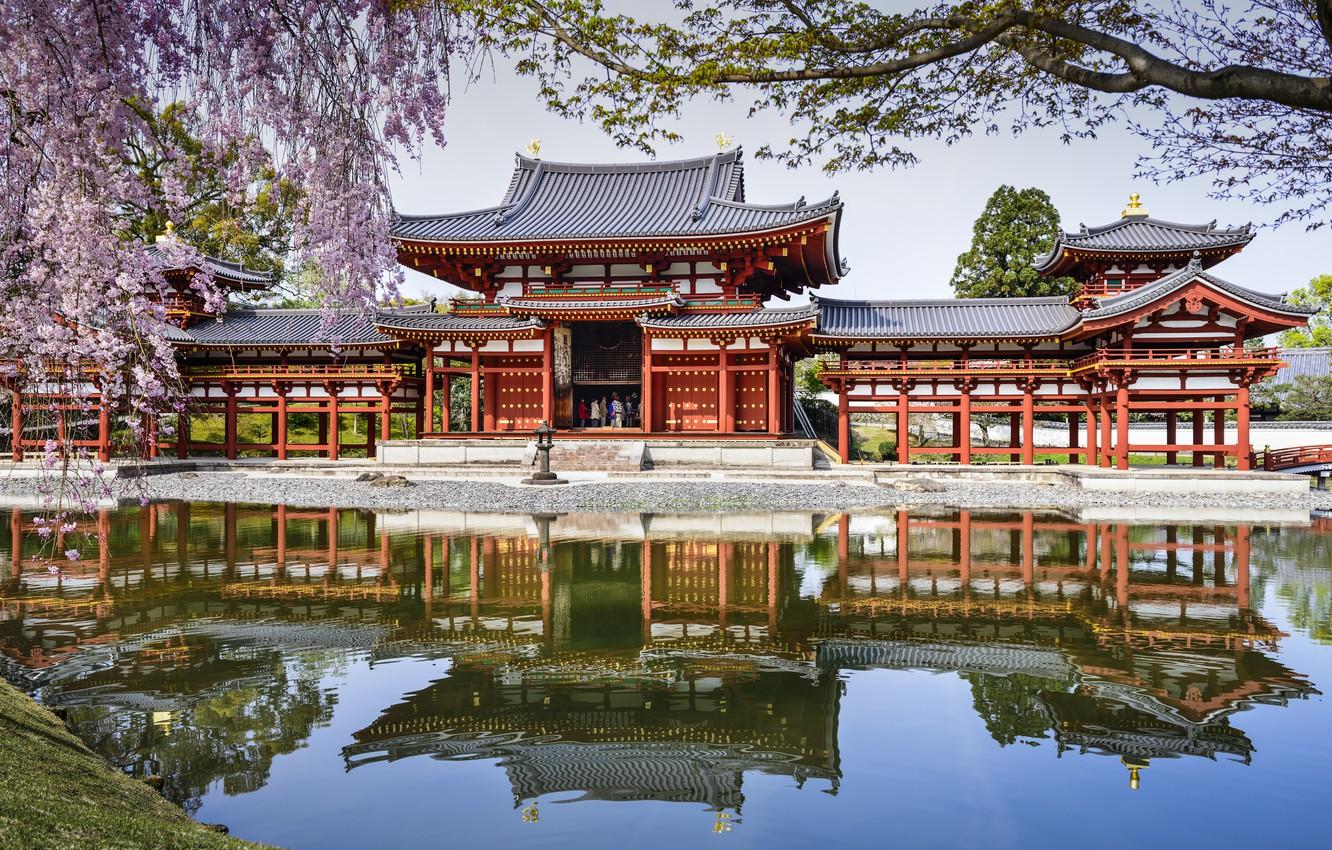
A stunning Buddhist temple known for the Phoenix Hall appearing on the 10 yen coin.
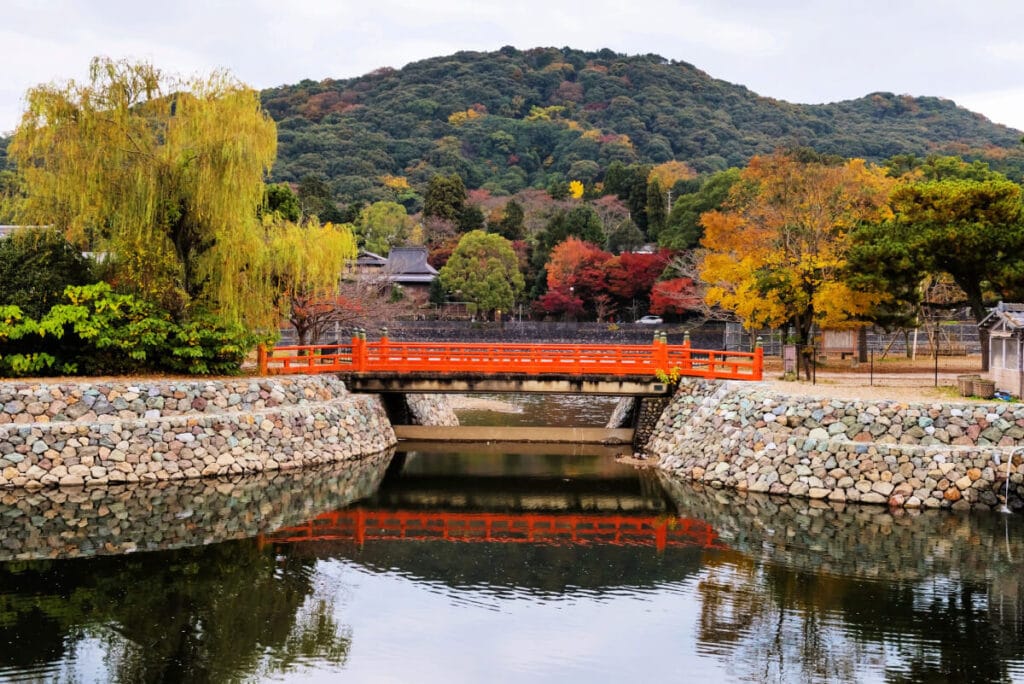
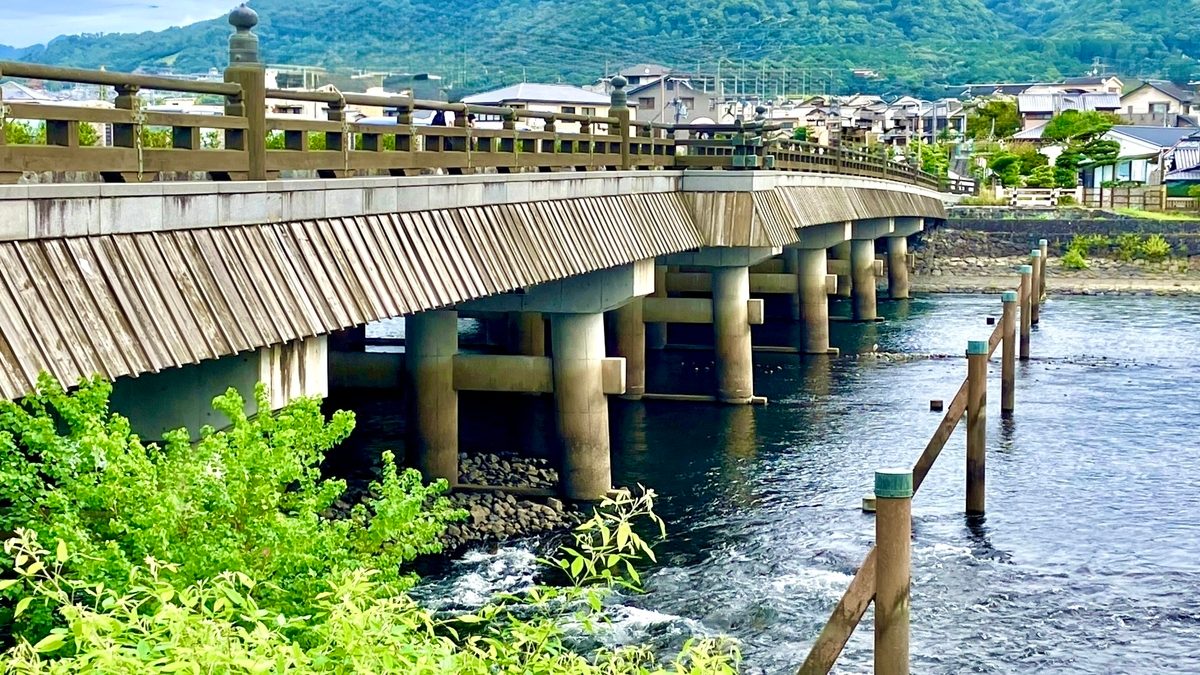
One of the oldest bridges in Japan featuring traditional architecture.
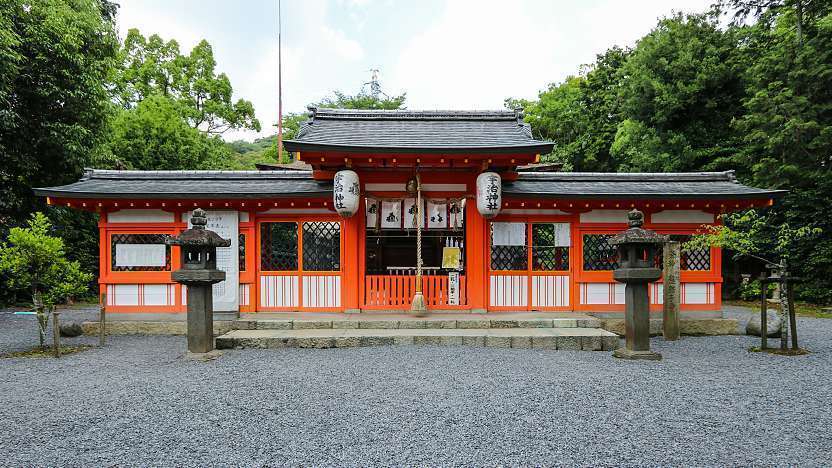
A UNESCO World Heritage site known for its ancient cedar construction.
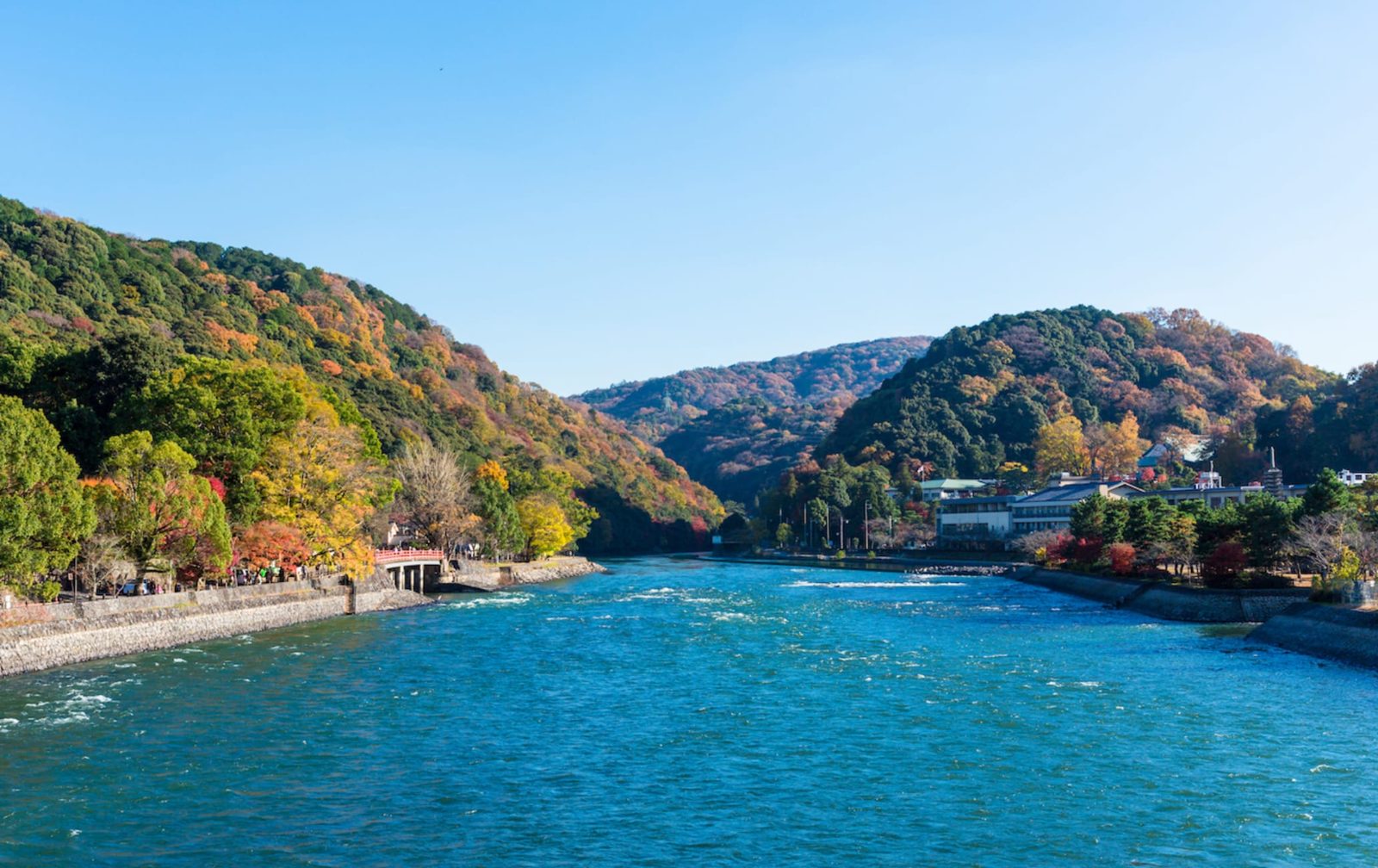
A scenic river perfect for a walk before your tea workshop.
Flexible, no hidden fees.
The museum admission fee of 600 JPY is non-refundable upon purchase. Please ensure your travel dates align with your booking.
Hand-picked options within walking distance — pick a district for vibe, or a specific hotel for convenience.
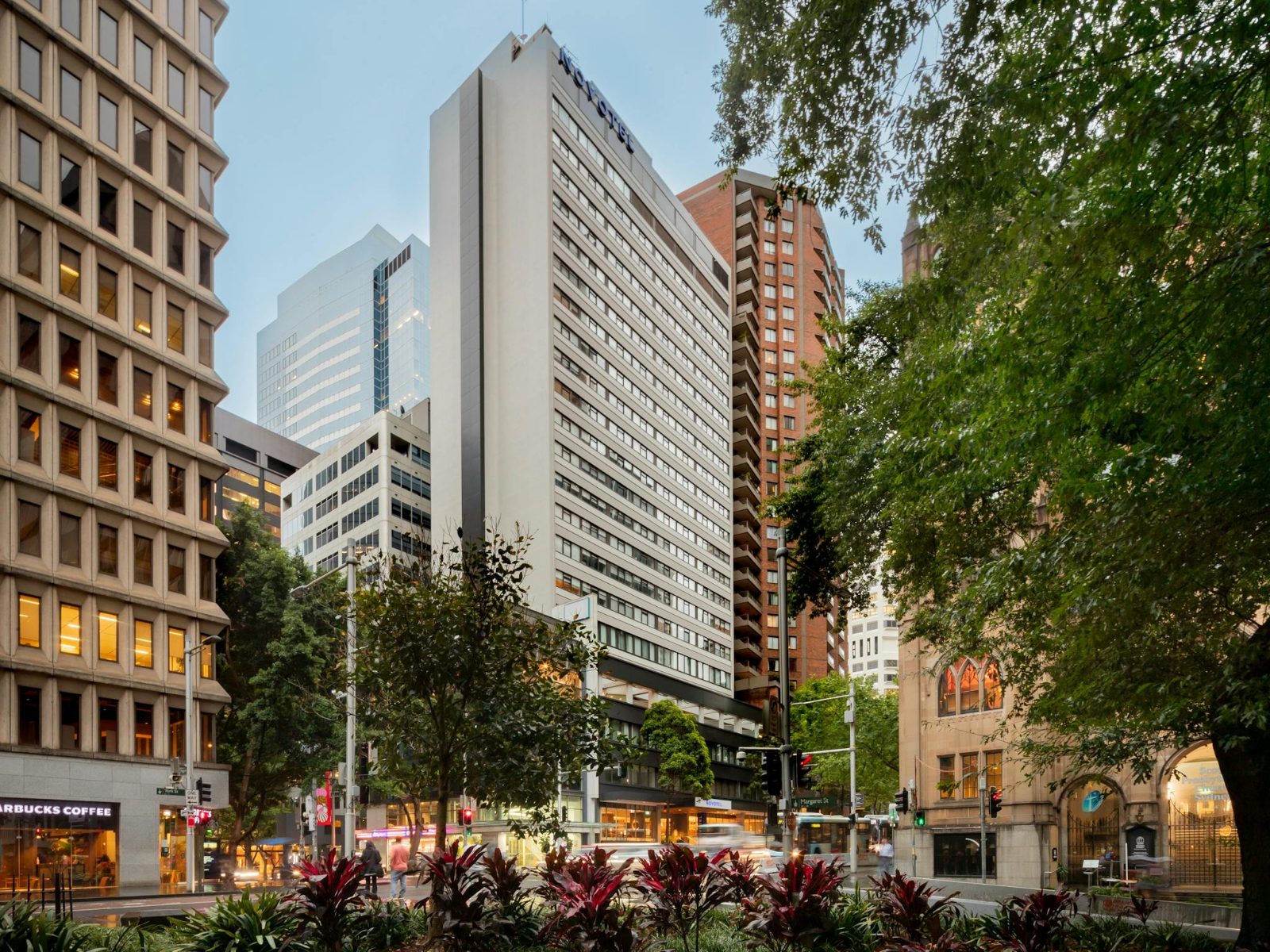
Traditional Japanese inn overlooking the river
Convenient hotel near the train station
Simple guesthouse offering local atmosphere
Uji supplied matcha to imperial courts for over four centuries before stone mills became standardized tools of the trade in the Edo period.
The Uji Tea Museum, established in 1988 within the grounds of the Todo district where the Yamashiro tea cooperative once operated, preserves the region's tencha cultivation legacy through working exhibits of hand-powered grinding stones and shaded tea fields that produce the fine powder reserved for ceremonial use. The museum's archive holds over two hundred historical implements — bamboo whisks worn thin by repeated use, ceramic caddies stamped with merchant seals, and granite mills whose grooves were carved by craftsmen who understood that coarser ridges yield bitter powder.
Kyoto matcha making workshop sessions at the museum pair demonstration with participation. Visitors learn to distinguish first-harvest tencha leaves by their jade opacity and to recognize the friction point where the stone's rotation speed extracts maximum flavor without scorching chlorophyll. The best matcha making class kyoto offers centers on this tactile literacy — the muscle memory of steady circular motion, the sound of leaf fragments breaking down into fifteen-micron powder, the visual confirmation that bright green has not dulled to olive. Instructors, many of whom trained under Uji tea masters, correct wrist angles and explain why granite imported from specific quarries holds an edge longer than local stone.
The museum's educational mandate extends beyond technique. Exhibits trace the matcha tea making class kyoto tradition from medieval Buddhist monasteries, where monks drank whisked tea to sustain focus during meditation, to the formalized aesthetics of the sixteenth-century tea ceremony codified by Sen no Rikyū. Display cases hold Rikyū's handwritten notes on water temperature and powder consistency, alongside modern spectroscopy charts that quantify umami compounds in gyokuro and sencha. This convergence of historical reverence and empirical analysis defines Uji's contemporary tea culture — a respect for ancestral methods verified by laboratory precision. The matcha grinding experience kyoto visitors undertake here is less performance than apprenticeship, a two-hour compression of skills that guild members once spent years refining.
"Granite mills whose grooves were carved by craftsmen who understood that coarser ridges yield bitter powder."
A step-by-step walkthrough of Kyoto Matcha Making Class tickets — what you'll see, how long each stage takes, and the details that matter.
You arrive at the museum's main hall, where the scent of dried tea leaves permeates the air. After paying the 600 yen admission, you proceed to the workshop room — a tatami-floored space with six grinding stations arranged in a semicircle.
Each station holds a granite mill, a bamboo scoop, and a small wooden tray of tencha leaves that crumble when you touch them. The instructor demonstrates the correct posture: knees bent, spine straight, one hand steadying the mill's base while the other rotates the upper stone in a clockwise motion. You begin grinding, and within thirty seconds your forearm begins to ache. The instructor adjusts your grip, explaining that tension disrupts the rhythm.
After twenty minutes, you have produced roughly ten grams of powder — enough for two servings. The instructor measures particle size under a magnifying lens, pointing out clusters that need regrinding. You sift the powder through a fine mesh, then whisk it with hot water in a ceramic bowl. The first sip carries a vegetal sweetness absent from commercially milled matcha. The instructor explains that oxidation begins within hours of grinding, which is why tea masters prepare powder in small batches. Before you leave, you package your remaining powder in a sealed pouch, labeled with the harvest date and your grinding time.
The Uji Tea Museum is open from 09:00–17:00 daily.
Booking your kyoto matcha making class tickets in advance is highly recommended to secure your preferred time slot.
Yes, the Uji Tea Museum is fully accessible with elevators for guests with limited mobility.
You may take photos, but please avoid using flash during the kyoto matcha making class.
Bring your confirmation, comfortable shoes, and your curiosity for your kyoto matcha making class.
Children are welcome to join the kyoto matcha making class under the supervision of an adult.
Yes, coin-operated lockers are provided at the Uji Tea Museum for visitor convenience.
The Uji Tea Museum is accessible via the JR Nara Line or Keihan Line to Uji Station.
The museum admission fee is 600 JPY per person.
The 600 JPY entrance fee is non-refundable after purchase.